Second Stage Playwriting
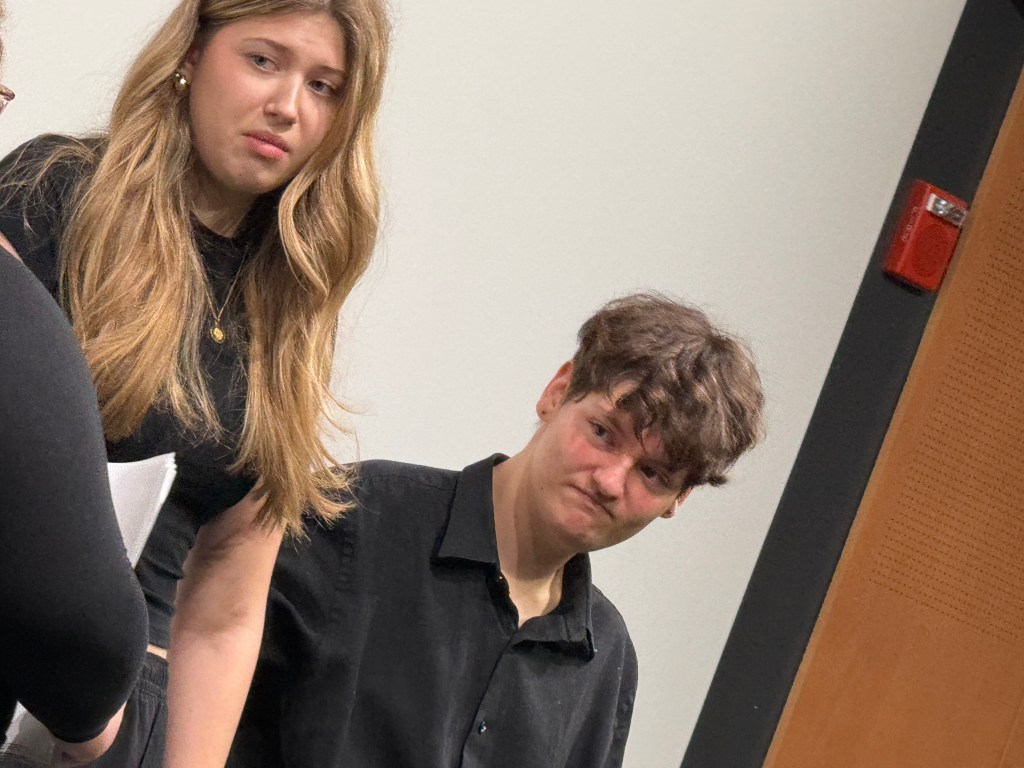
When I arrived at Michigan State University, there were no opportunities for playwrights to have their scripts workshopped or performed. The one student organization that specialized in playwriting, Second Stage Playwriting, floundered during Covid-19 and hadn’t been touched since.
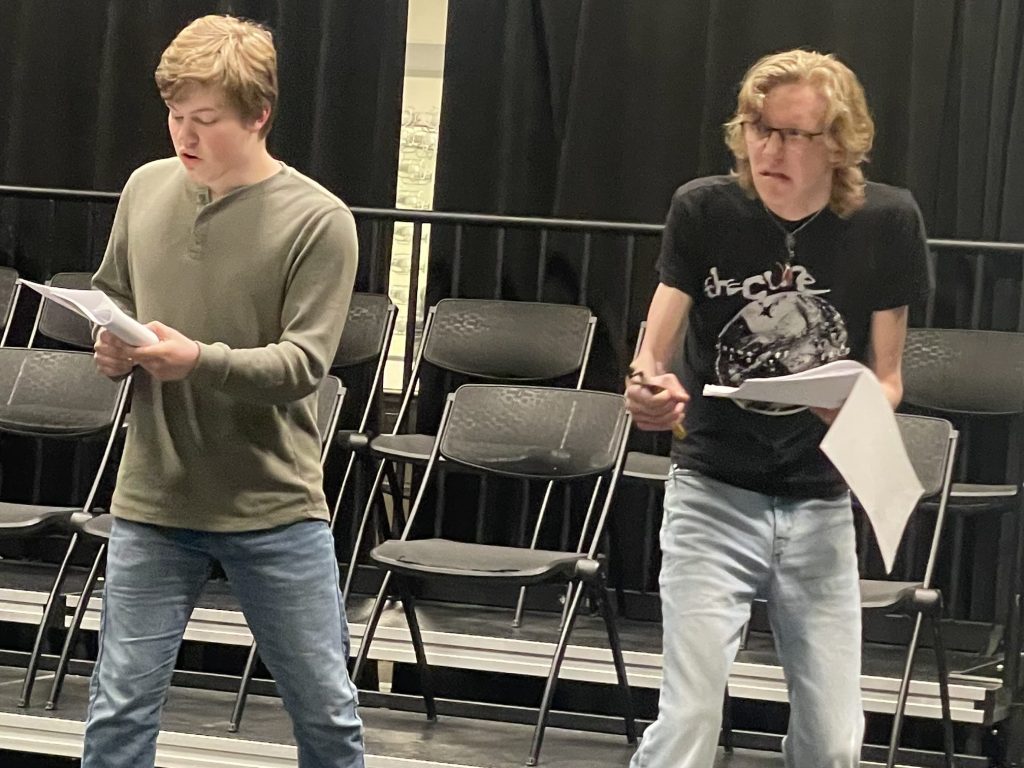
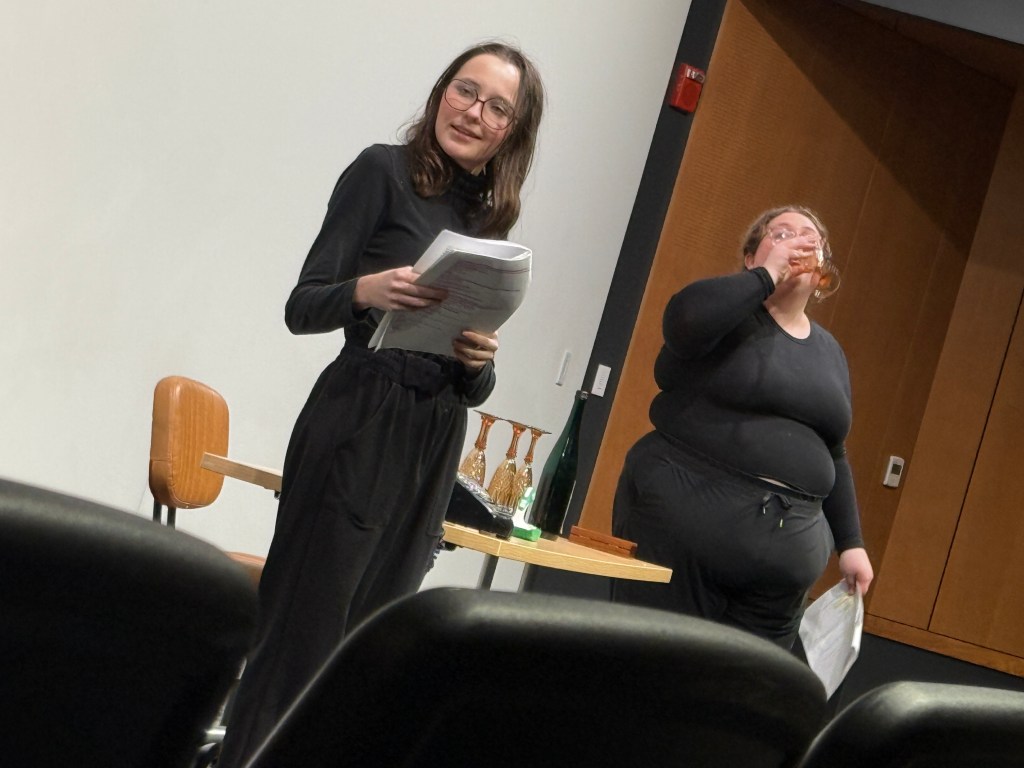
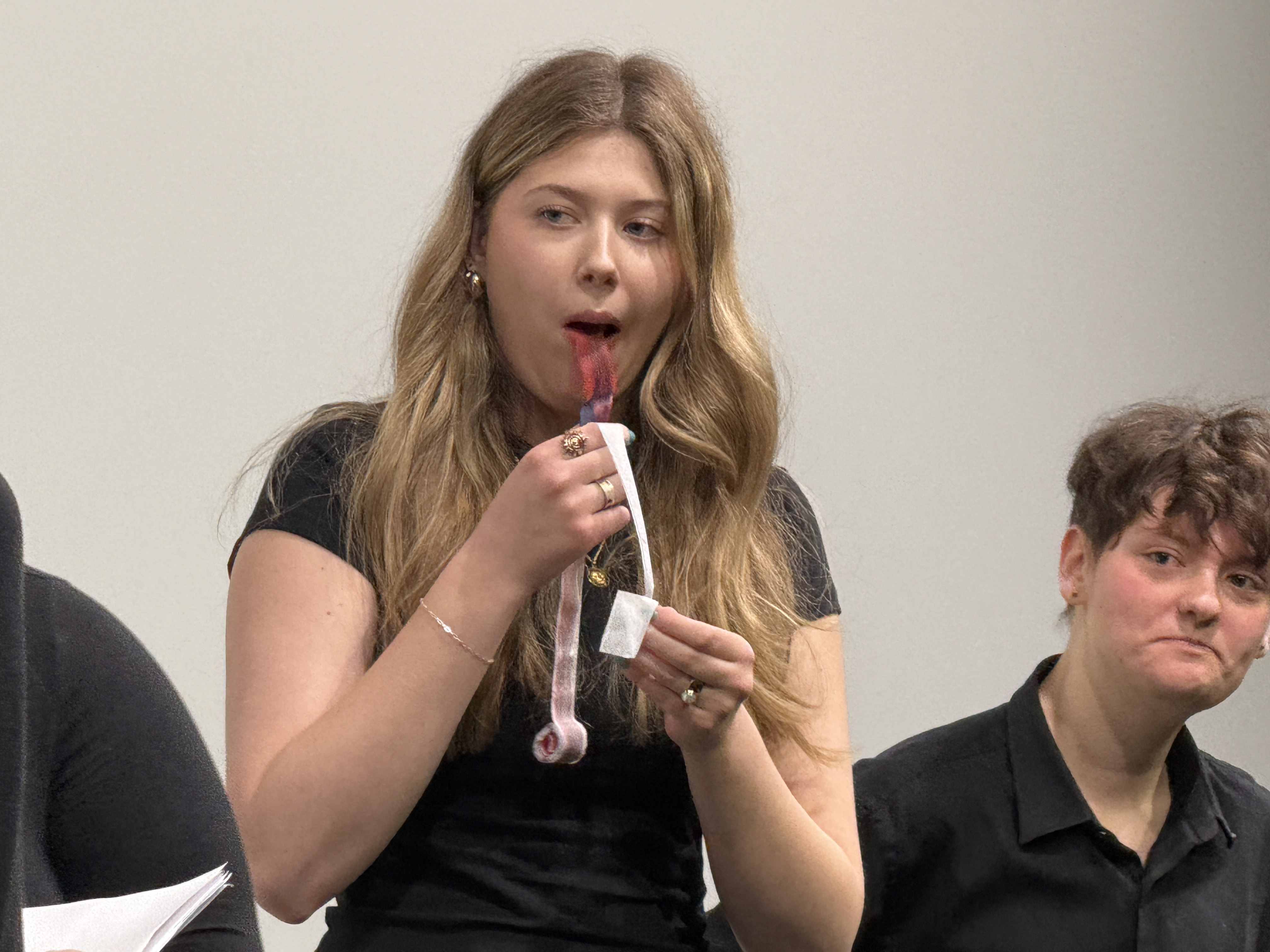
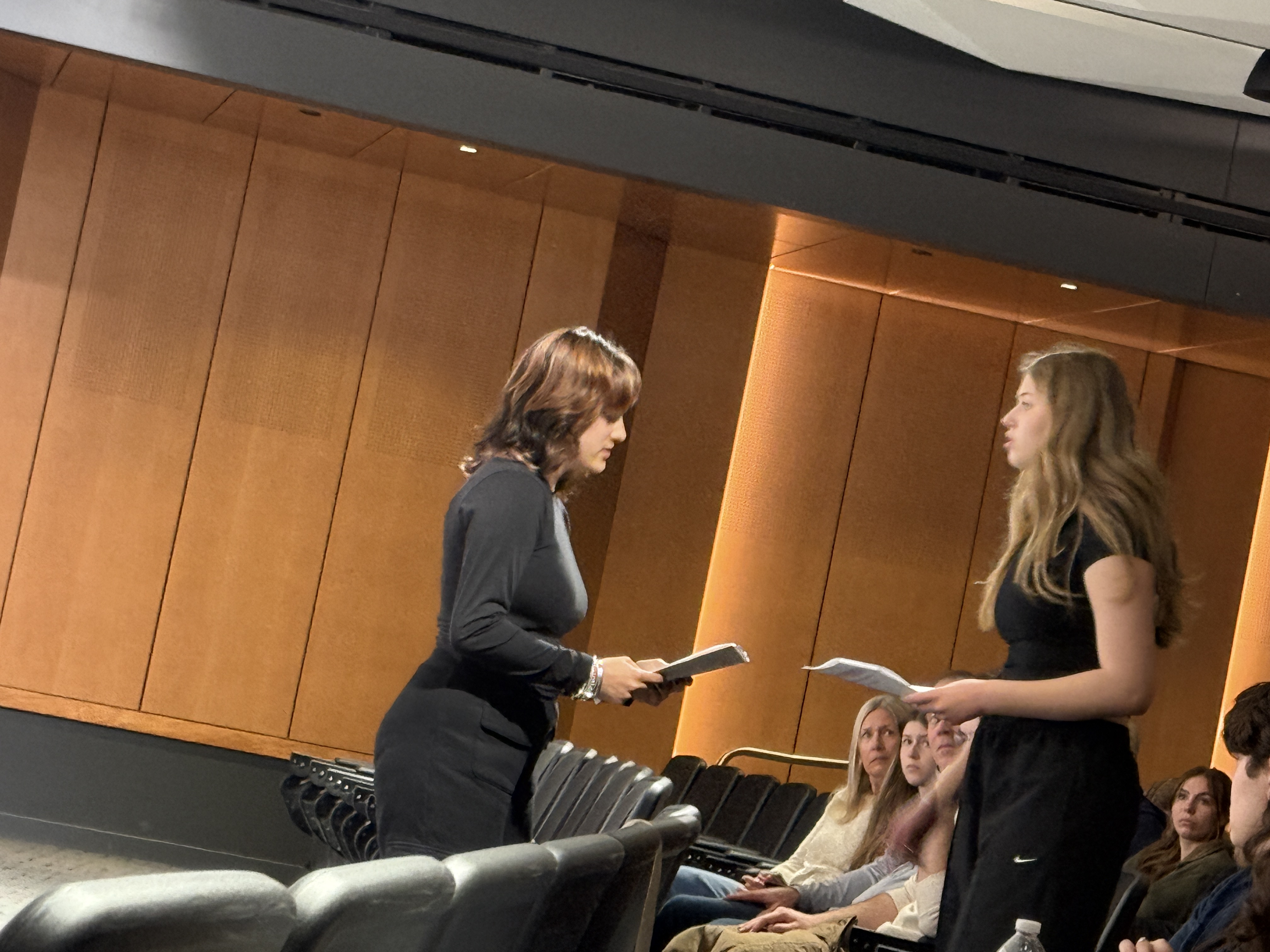
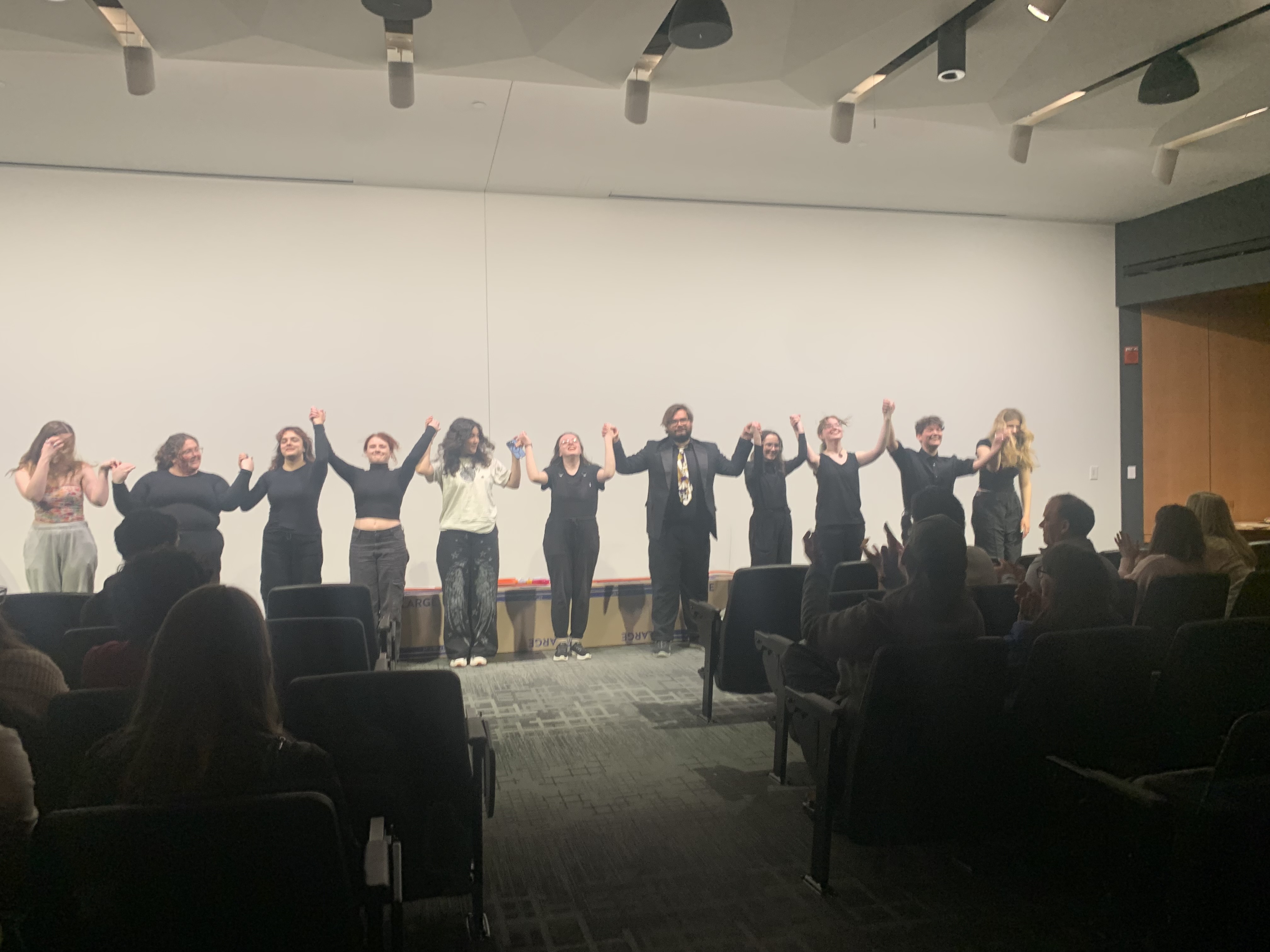
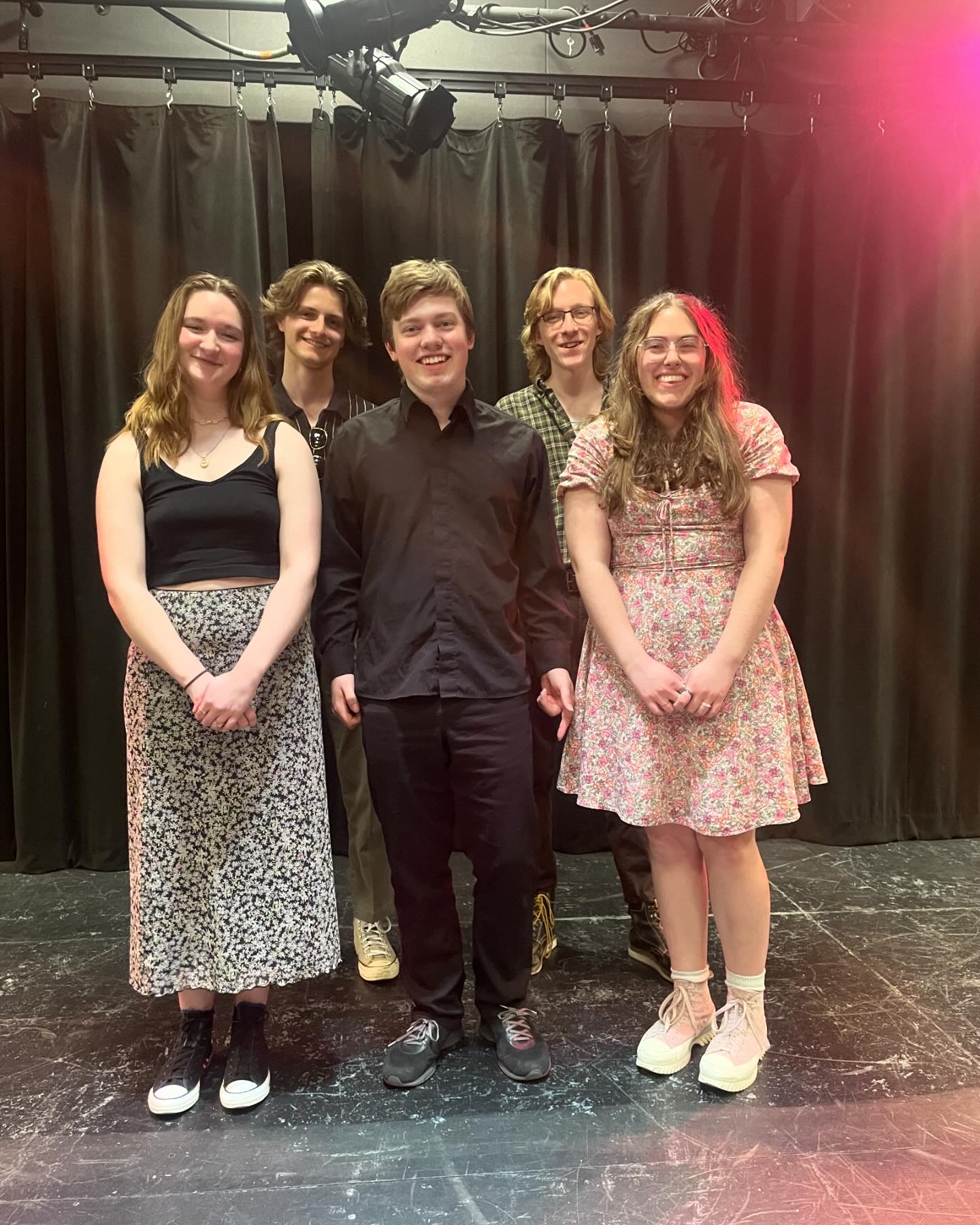
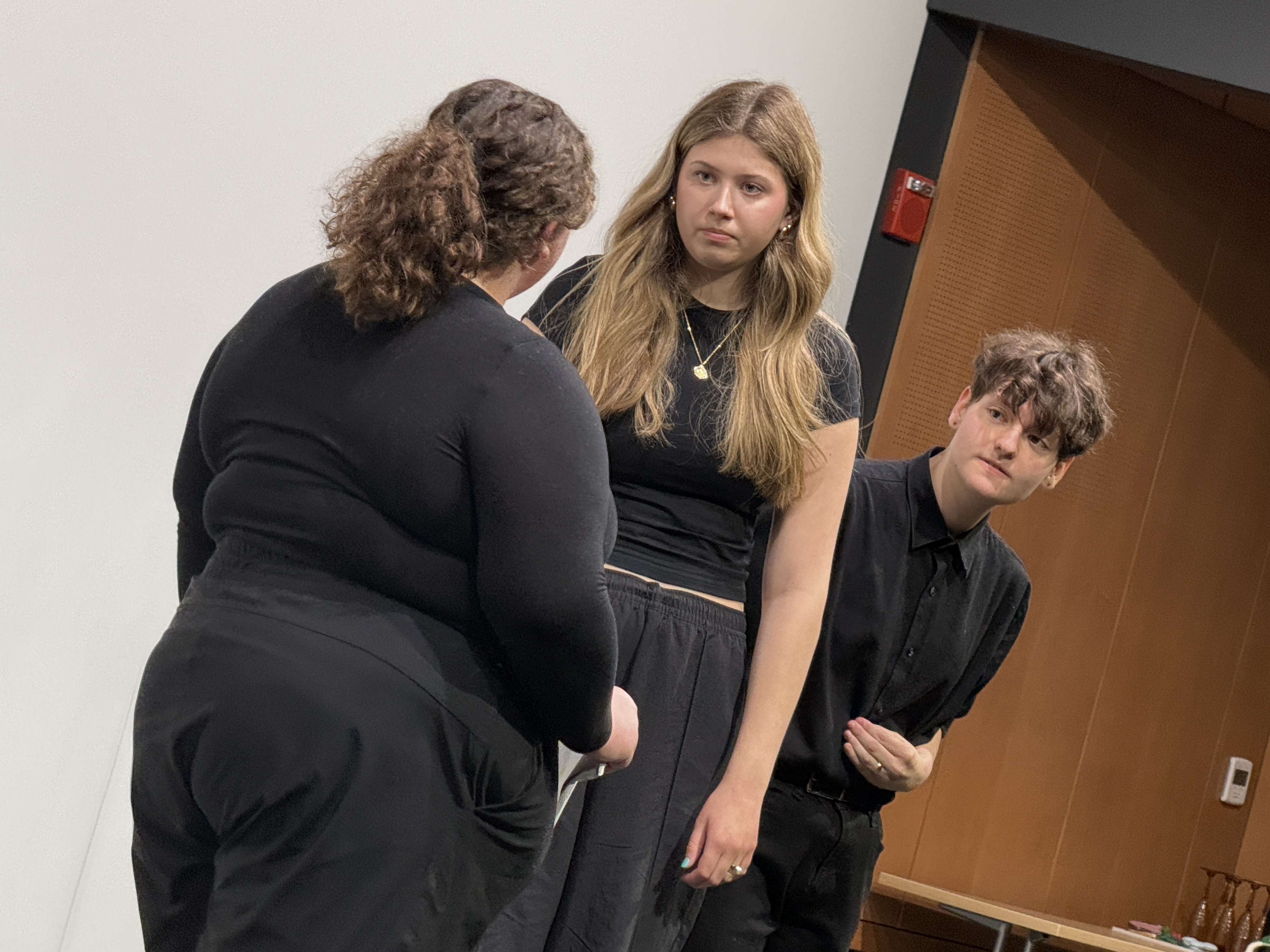
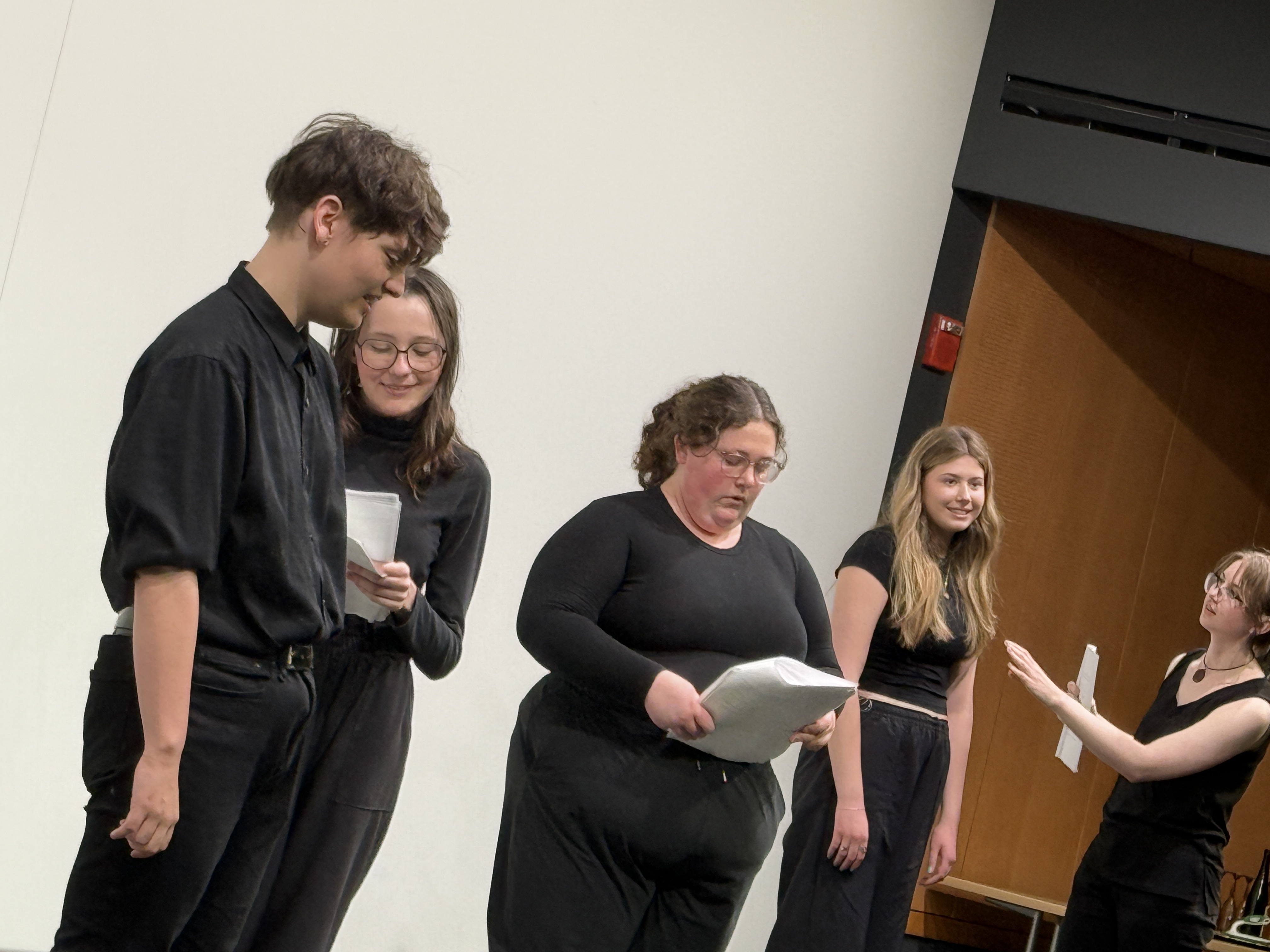
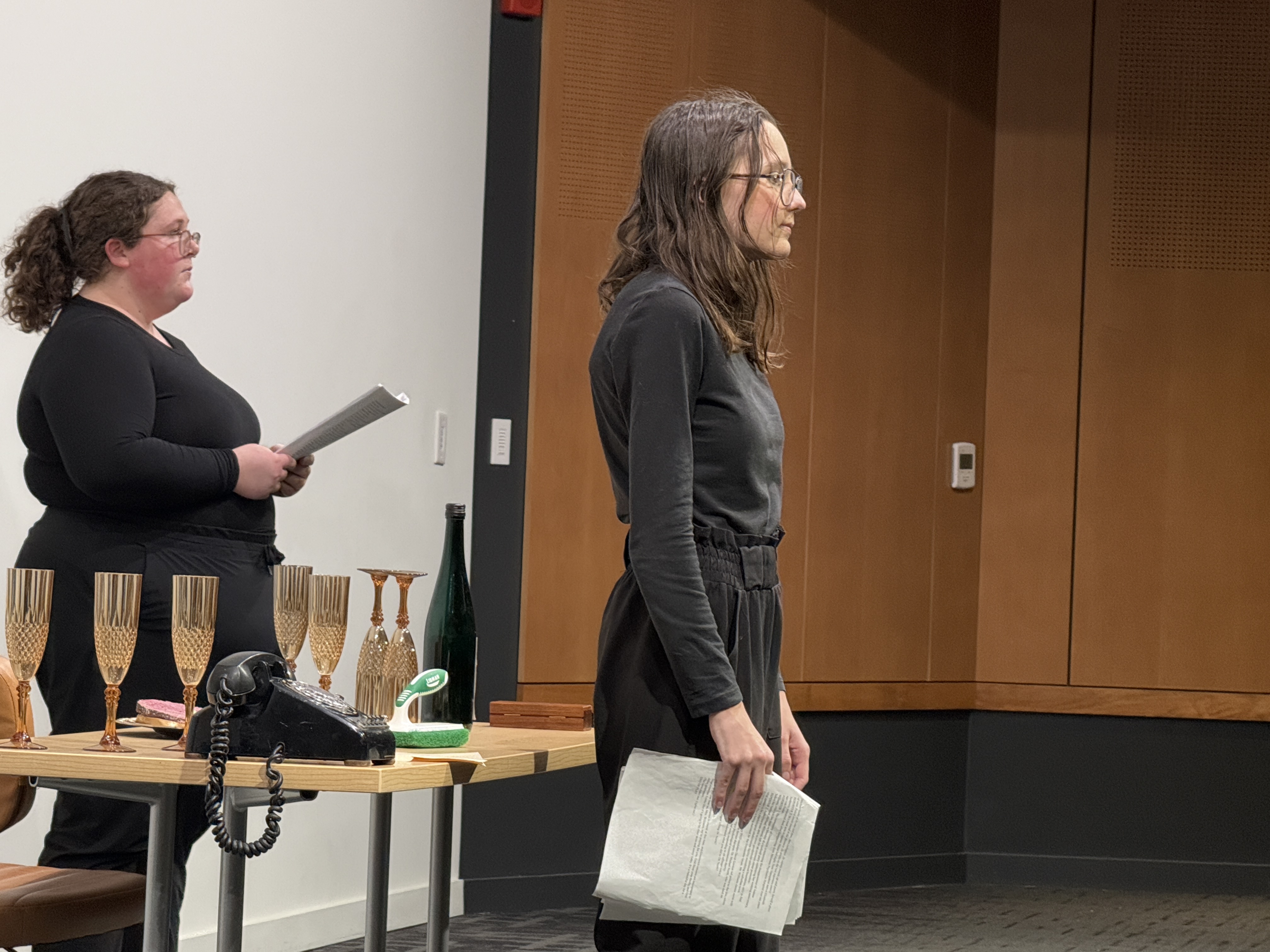
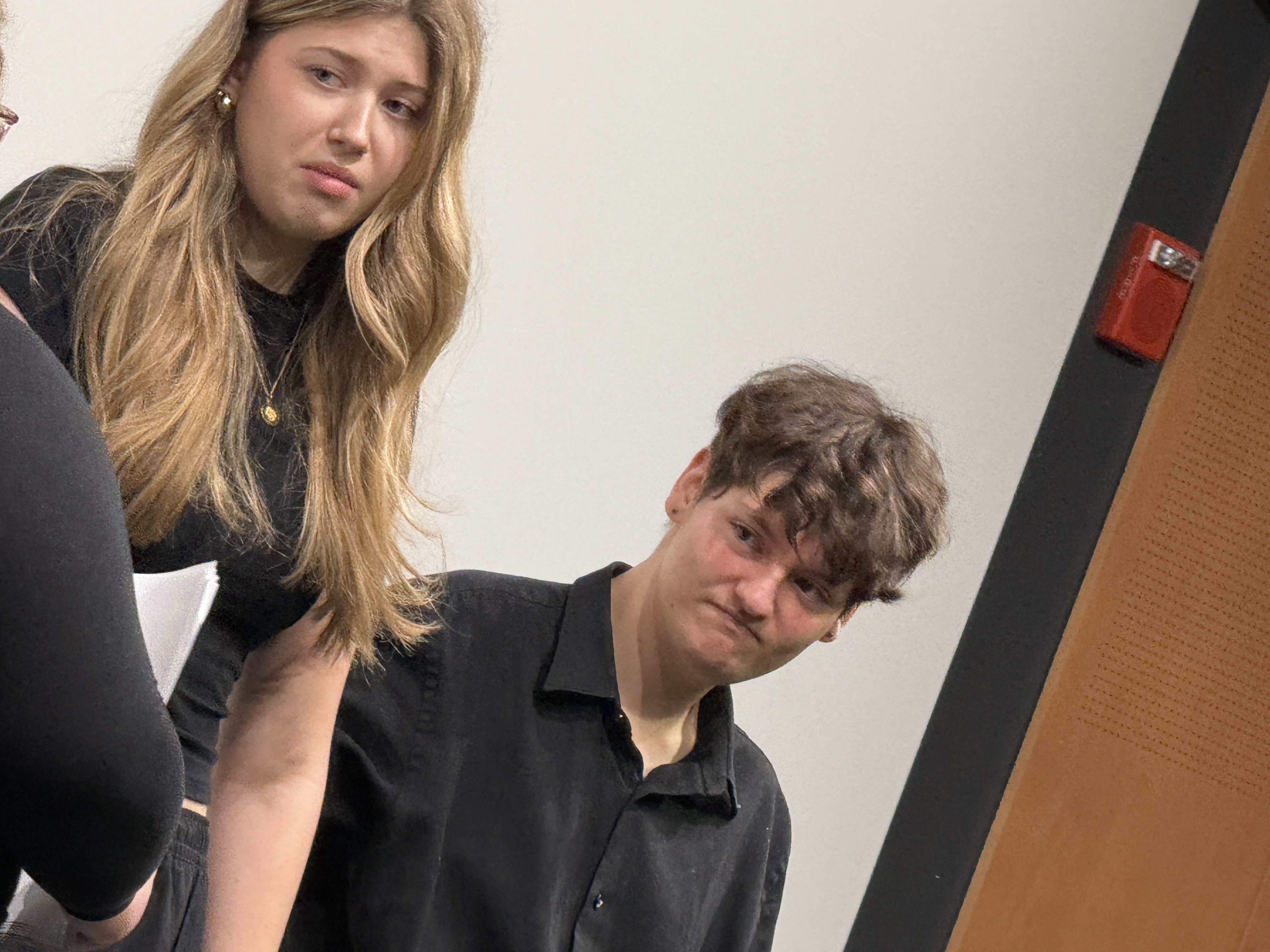
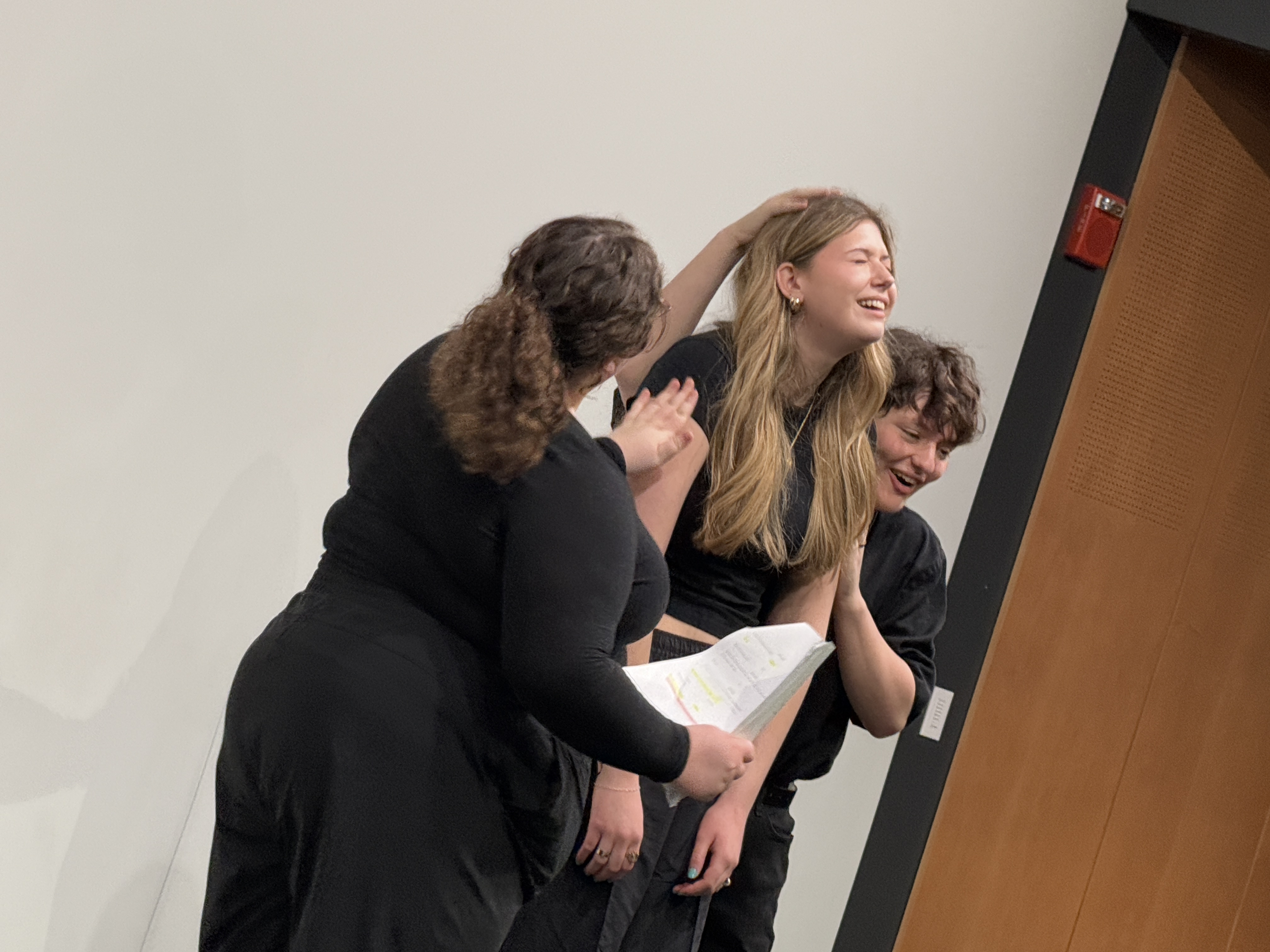
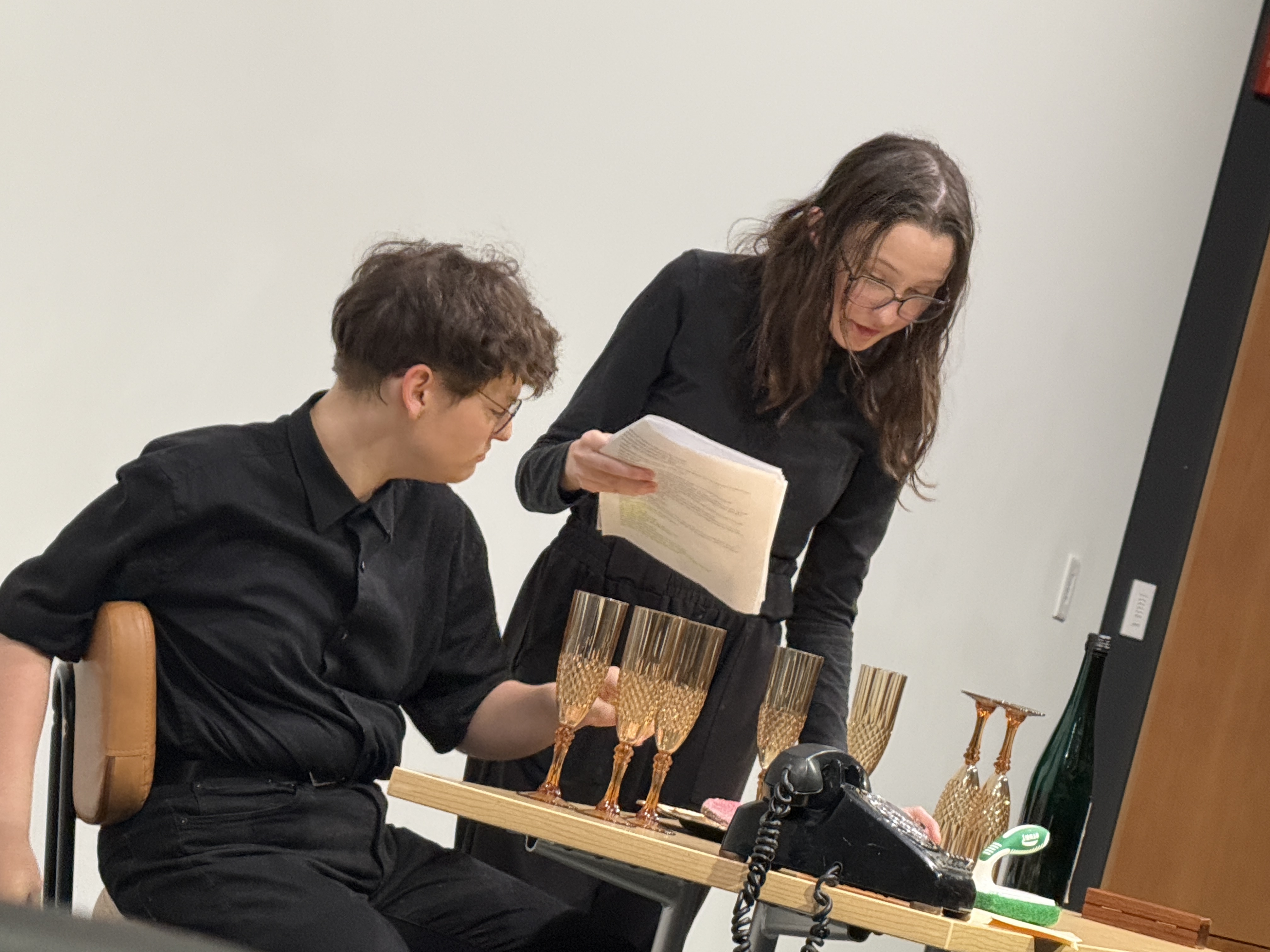
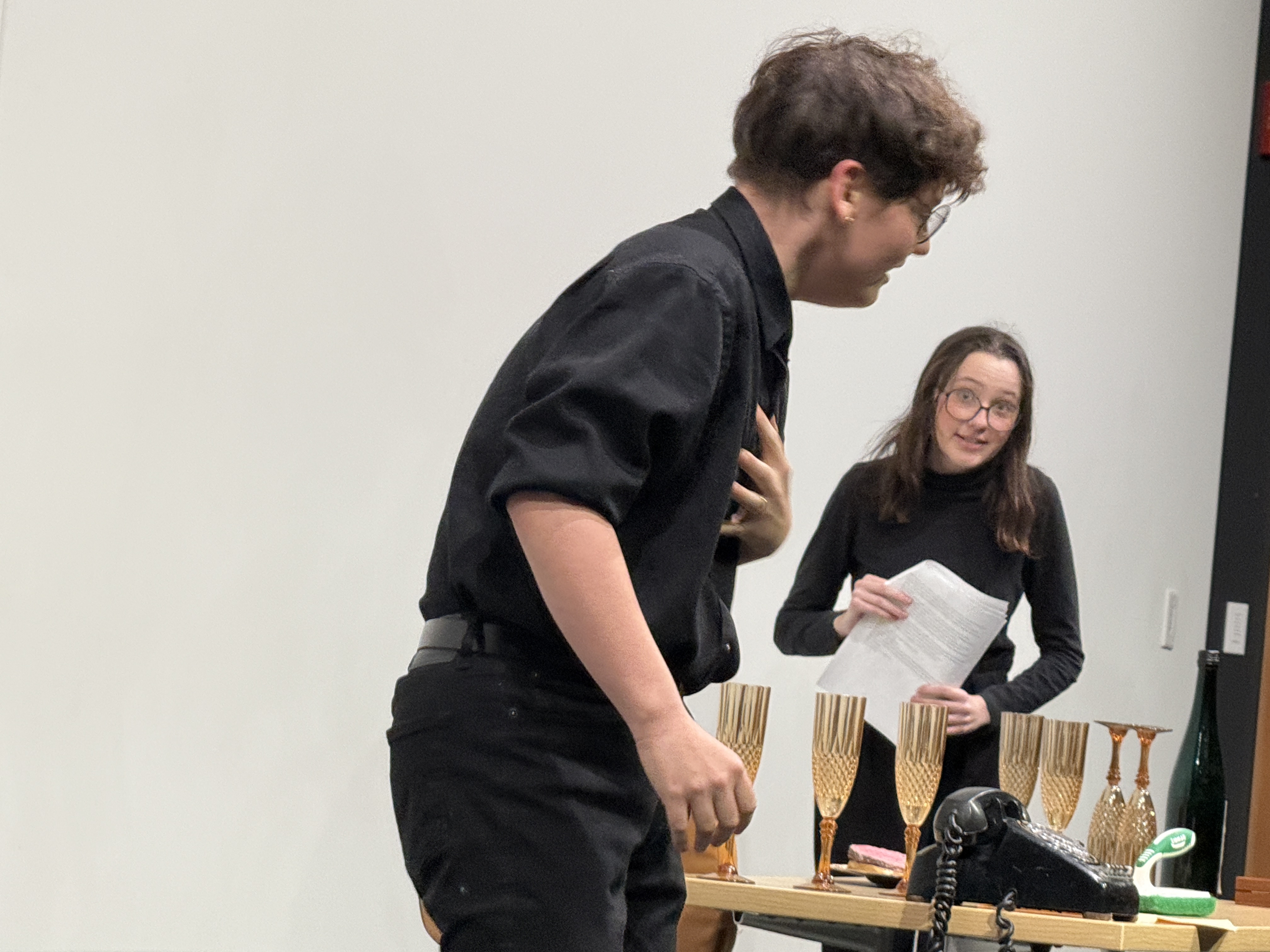
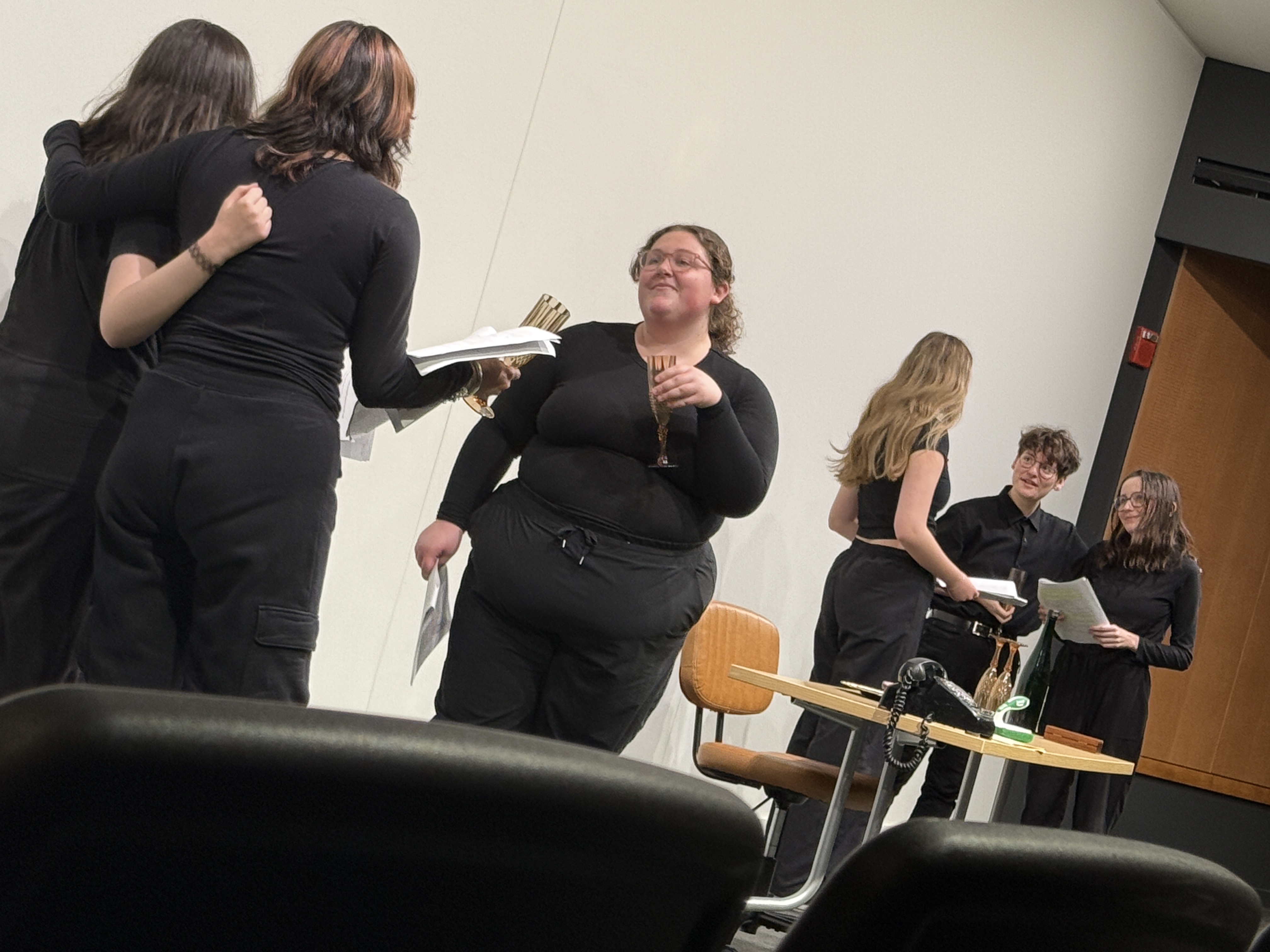
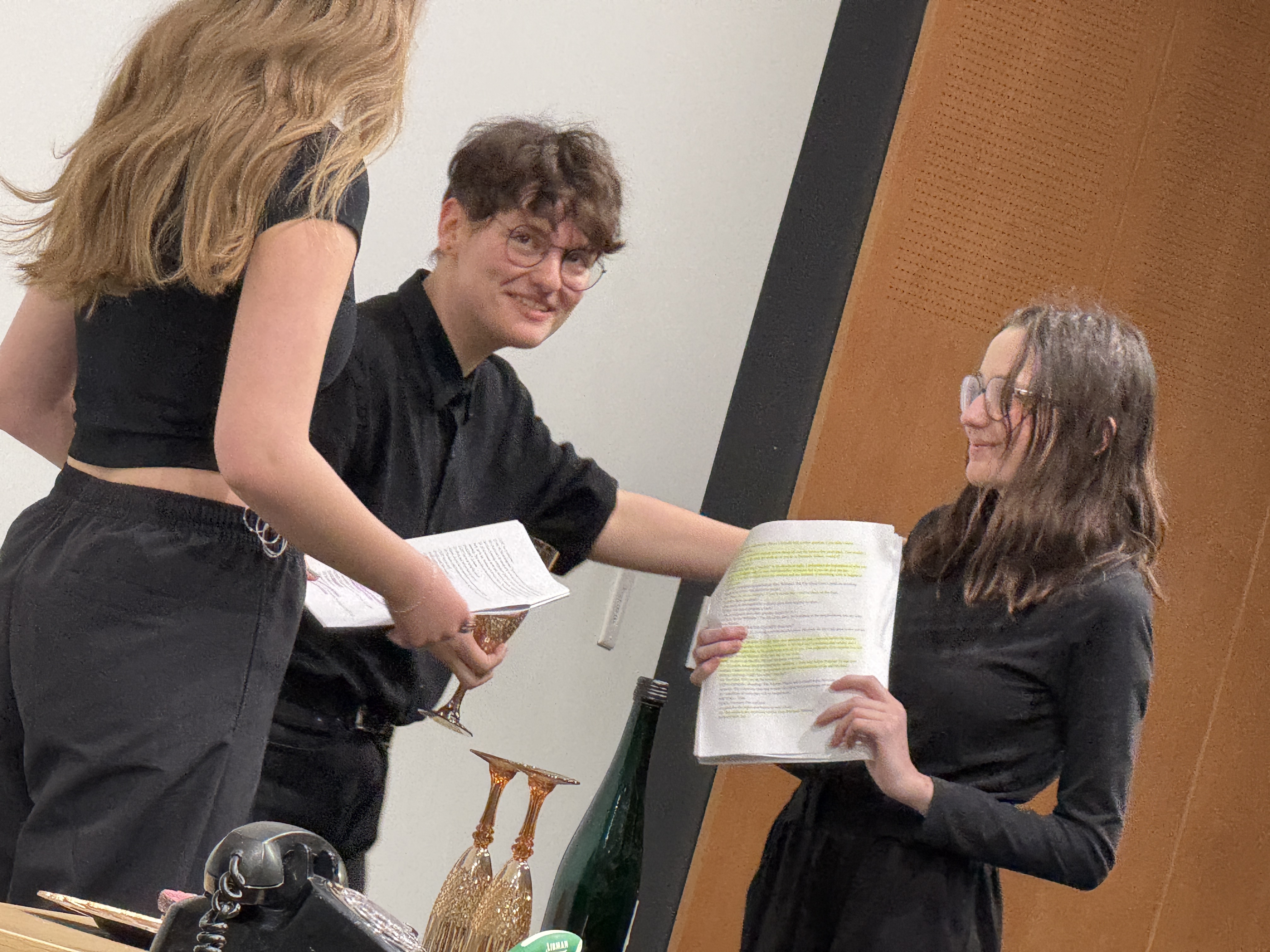
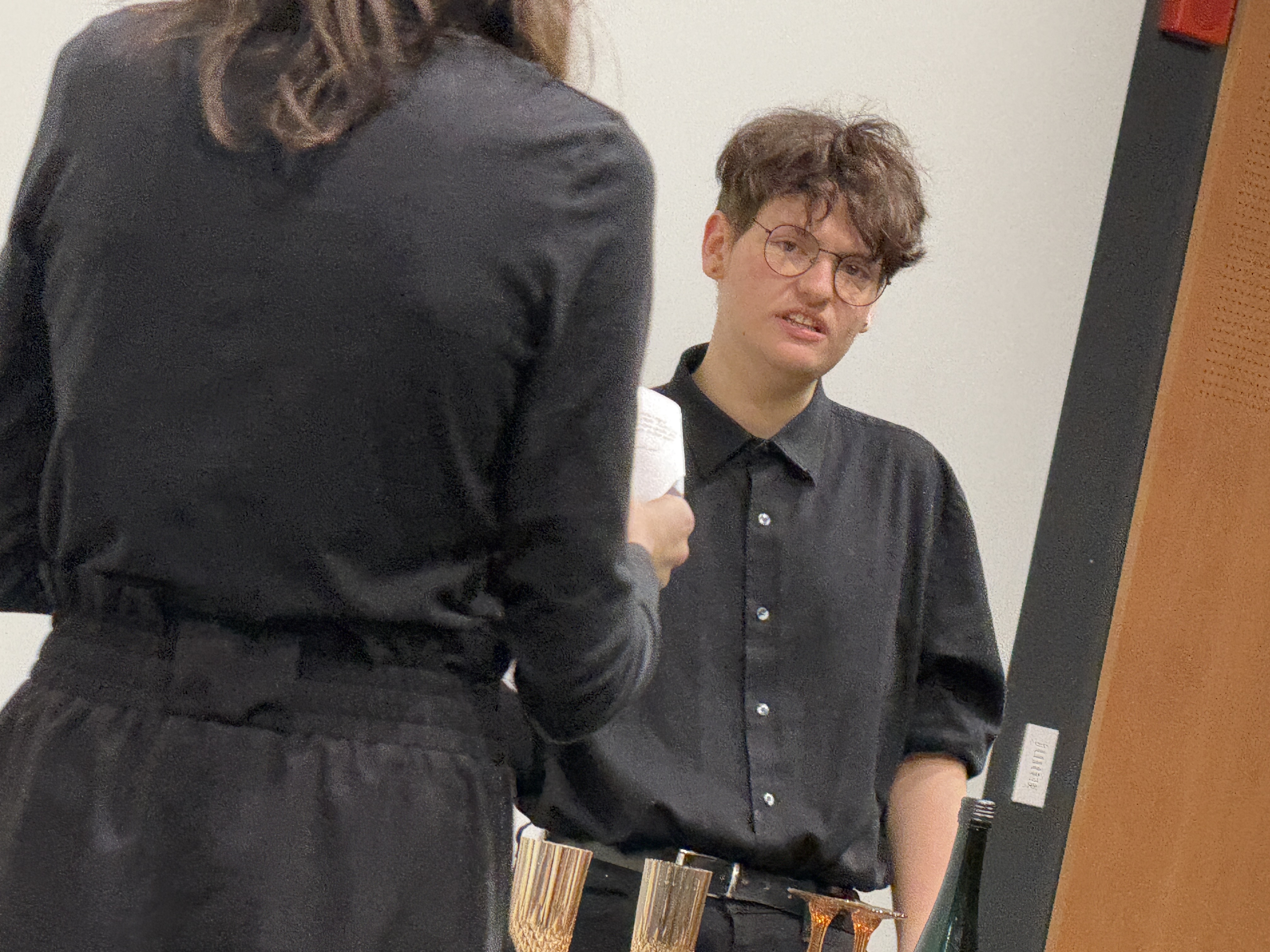
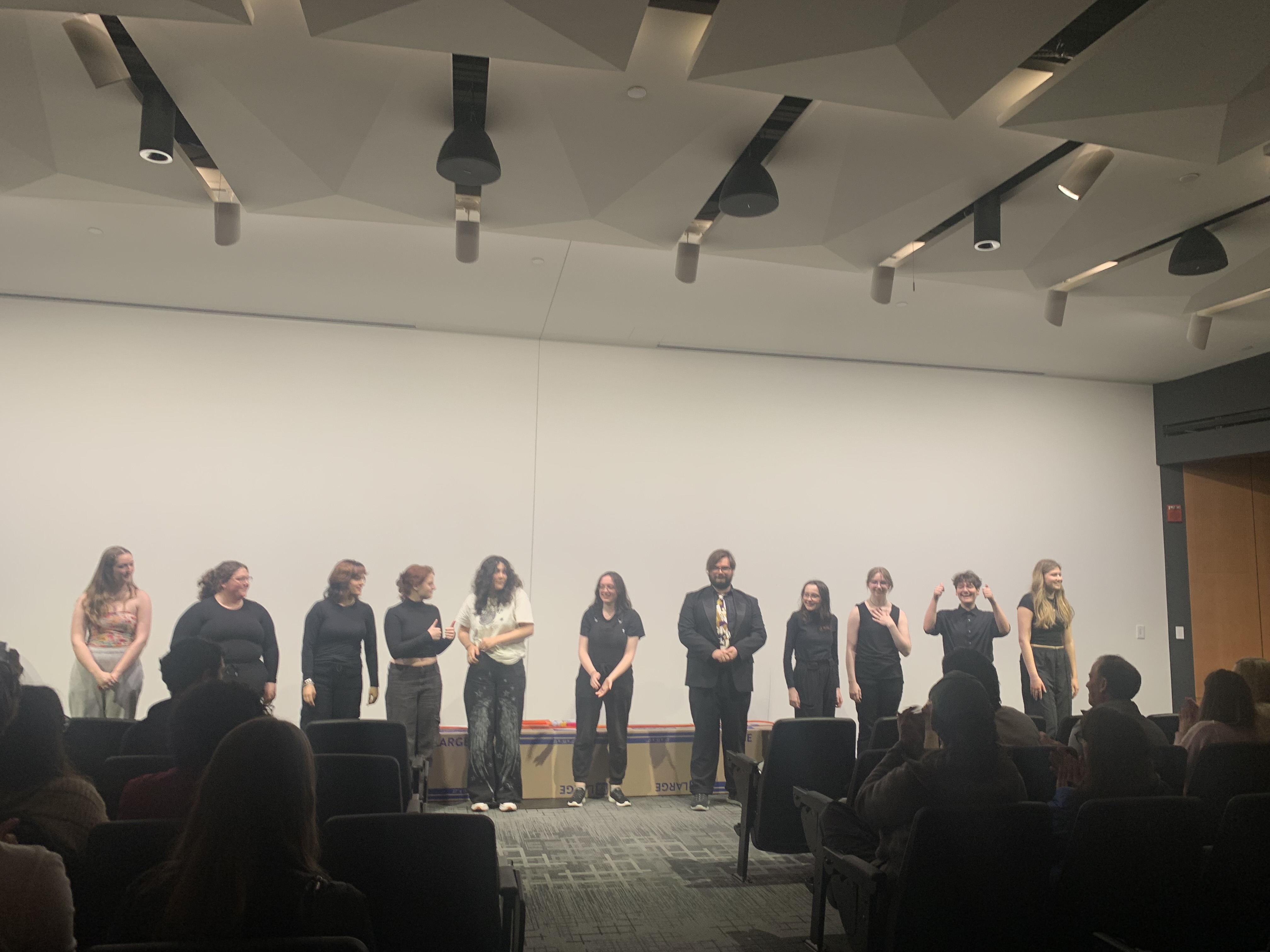
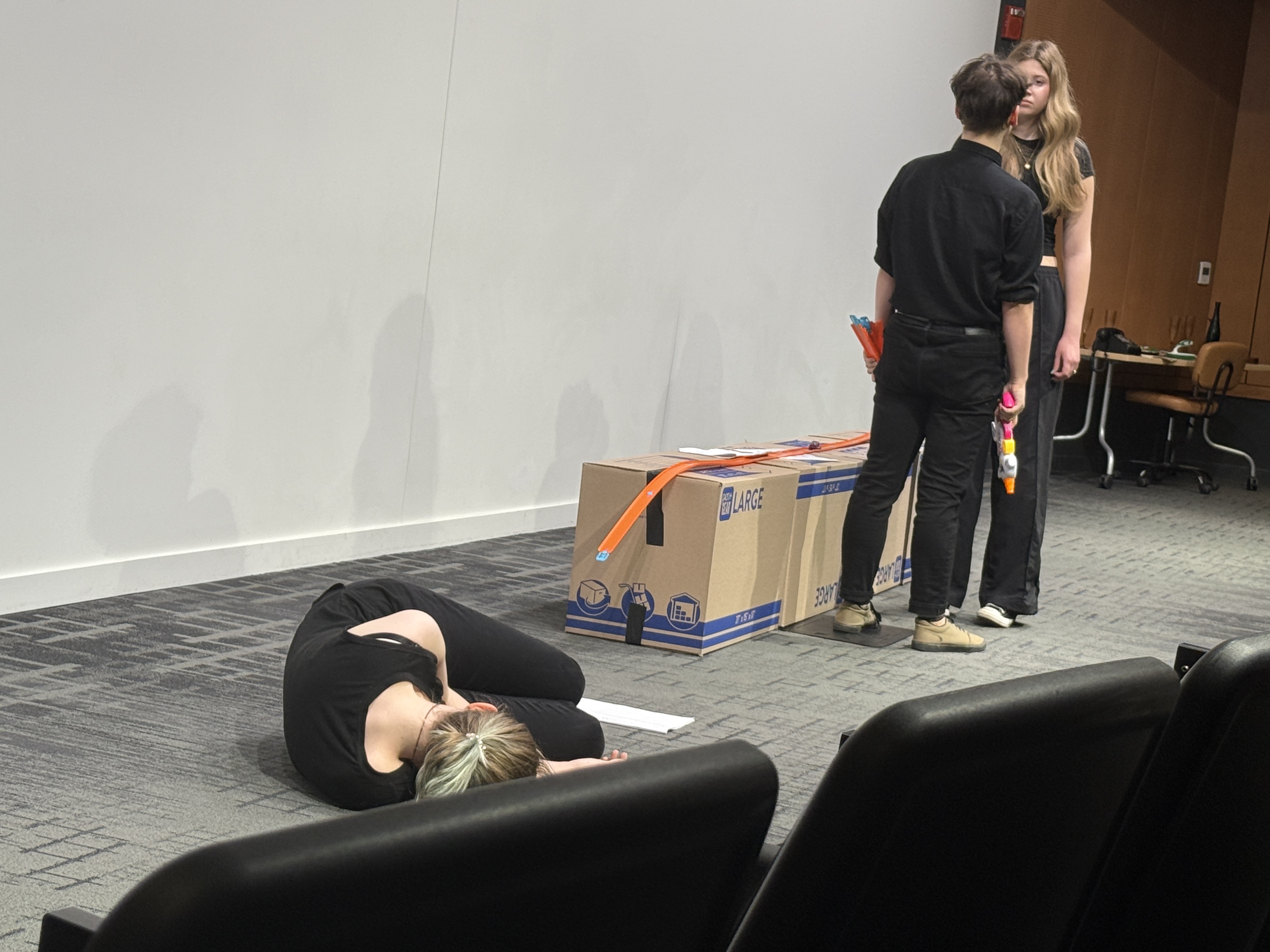
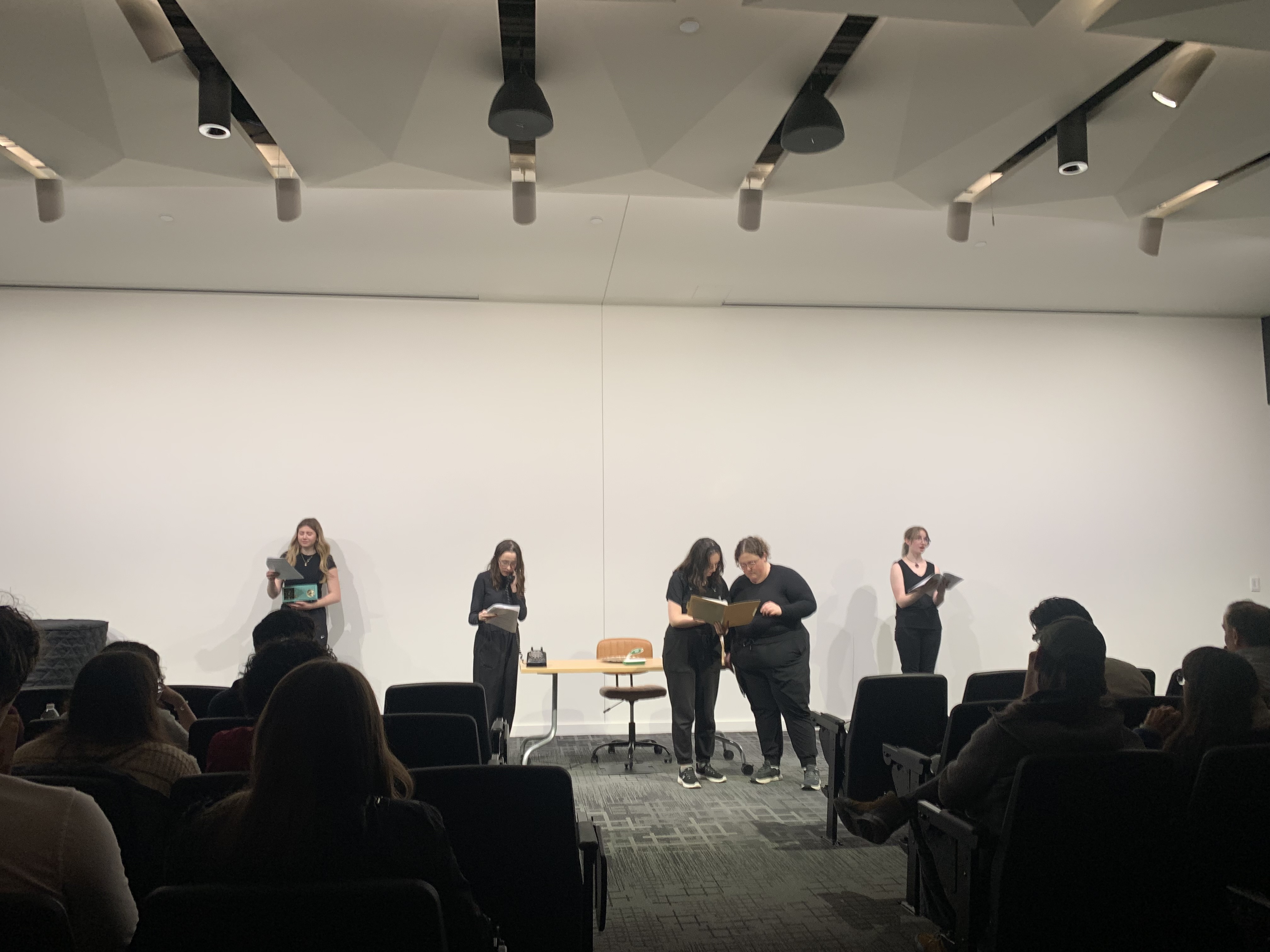
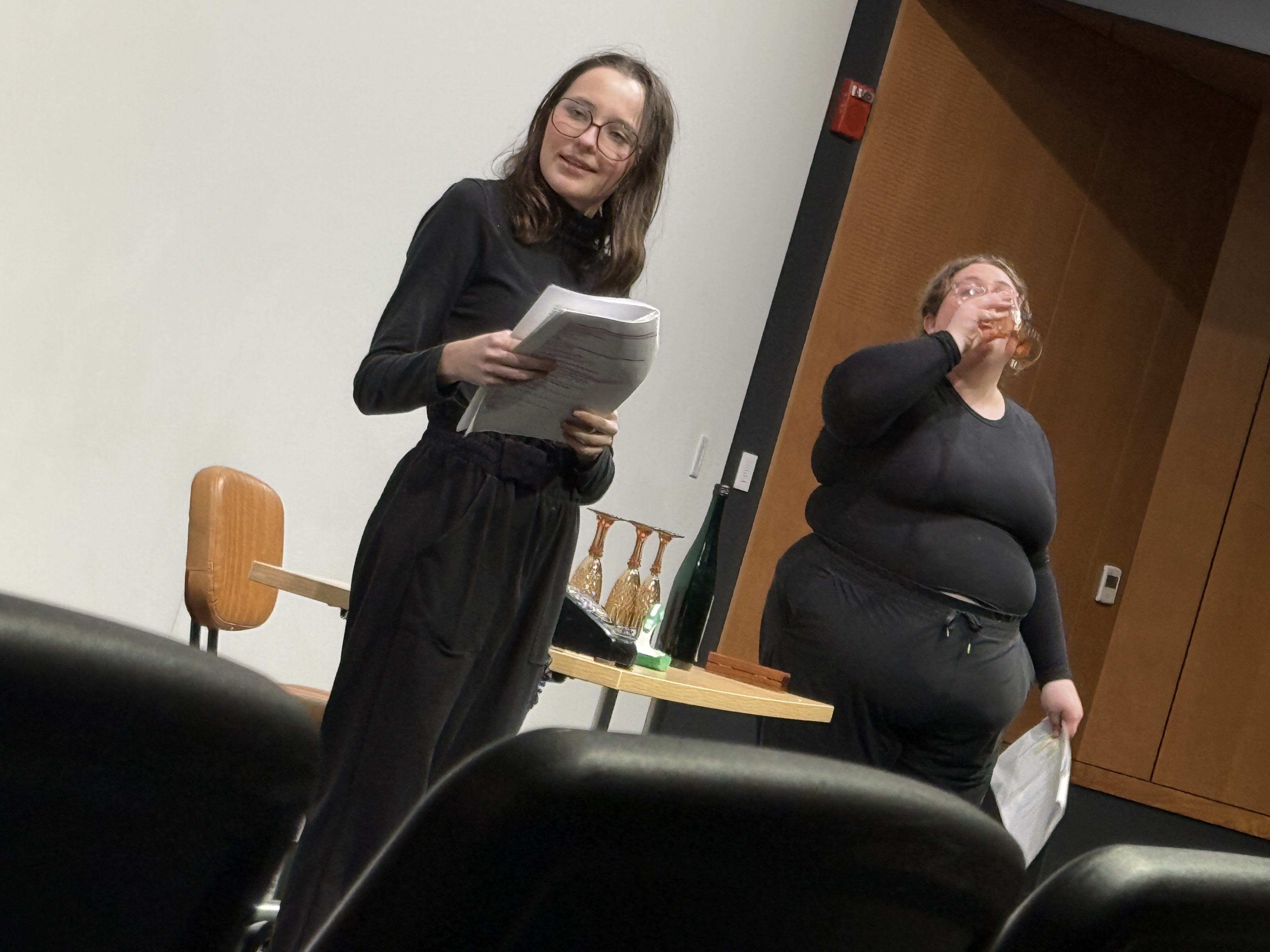
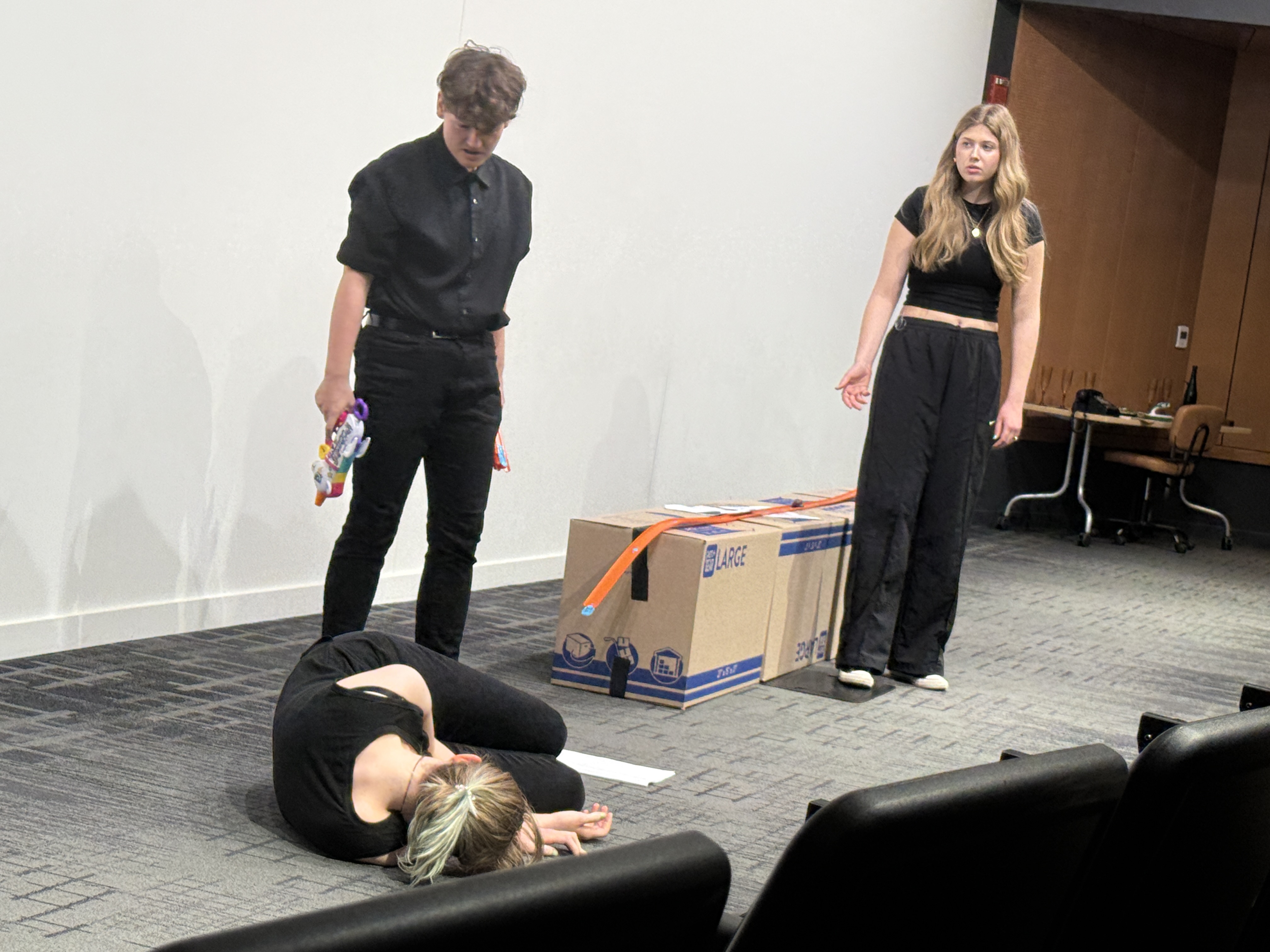
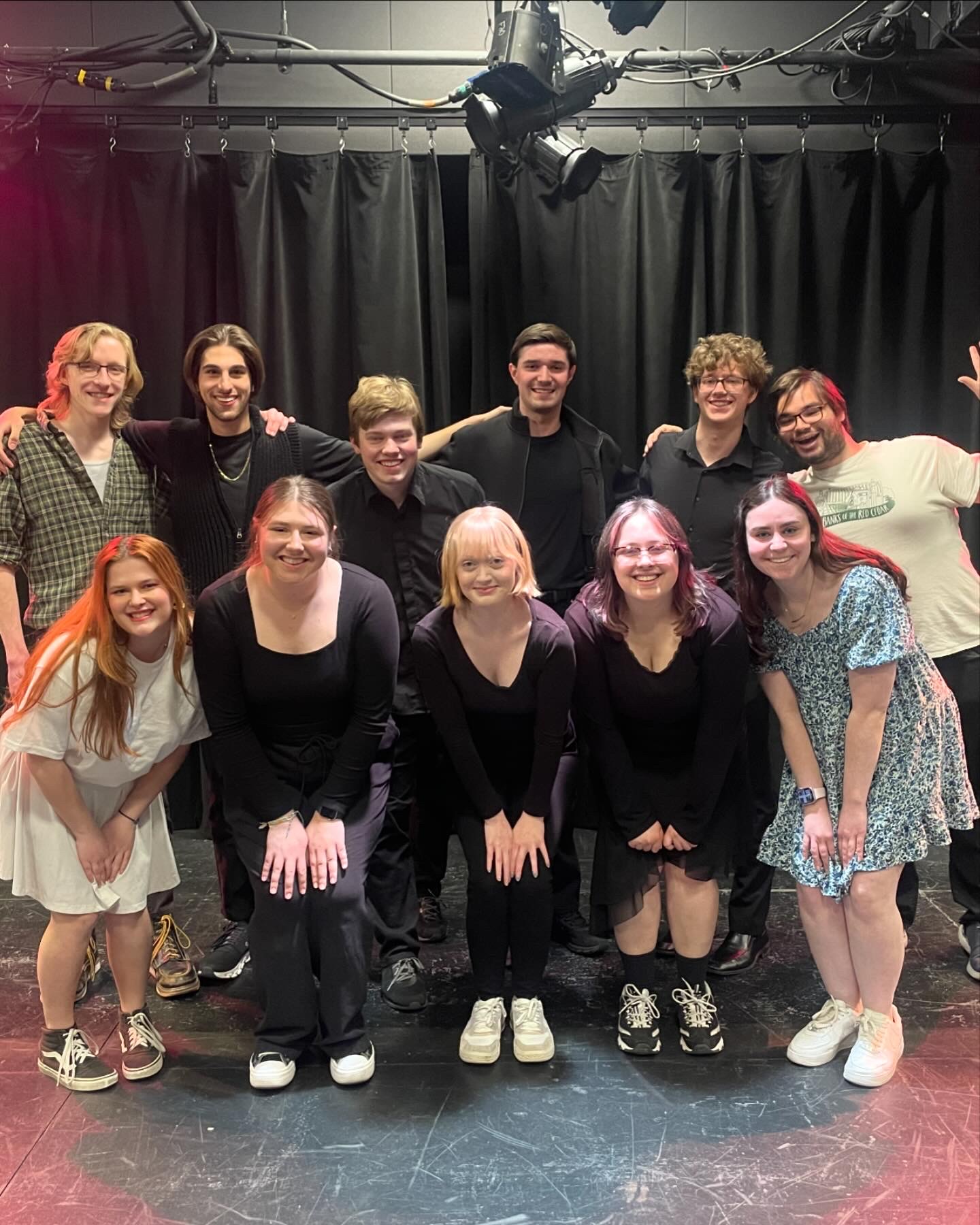
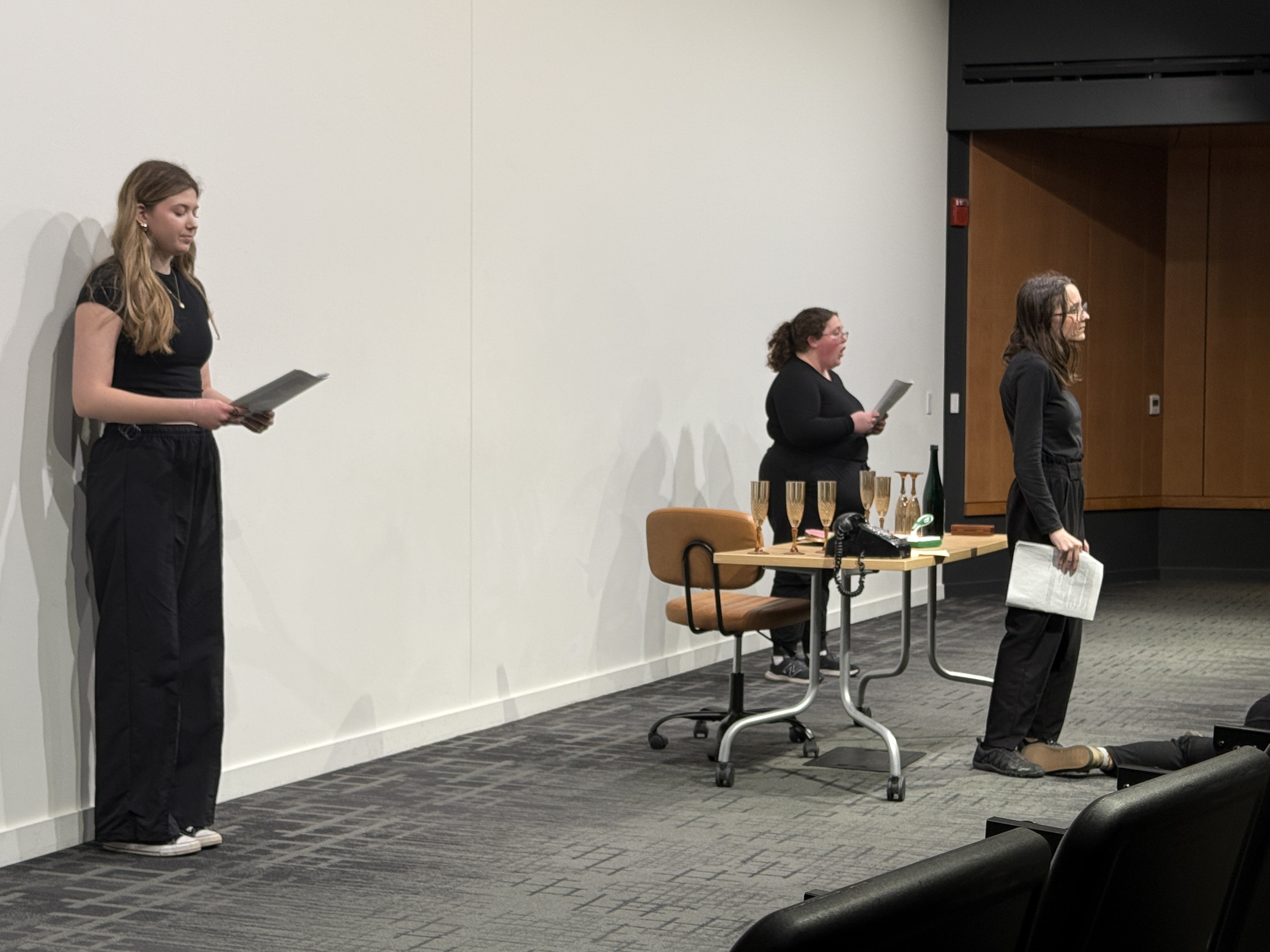
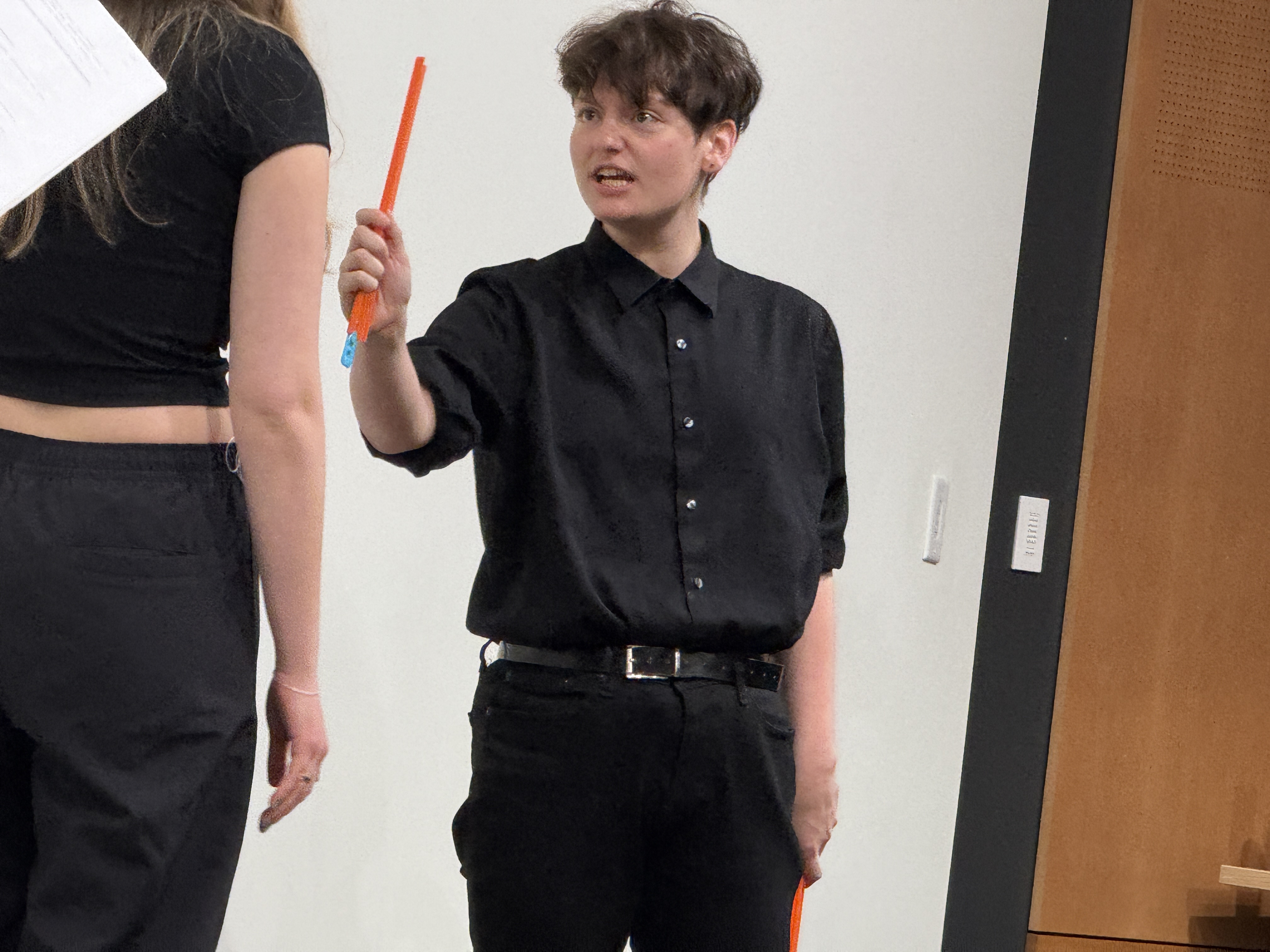
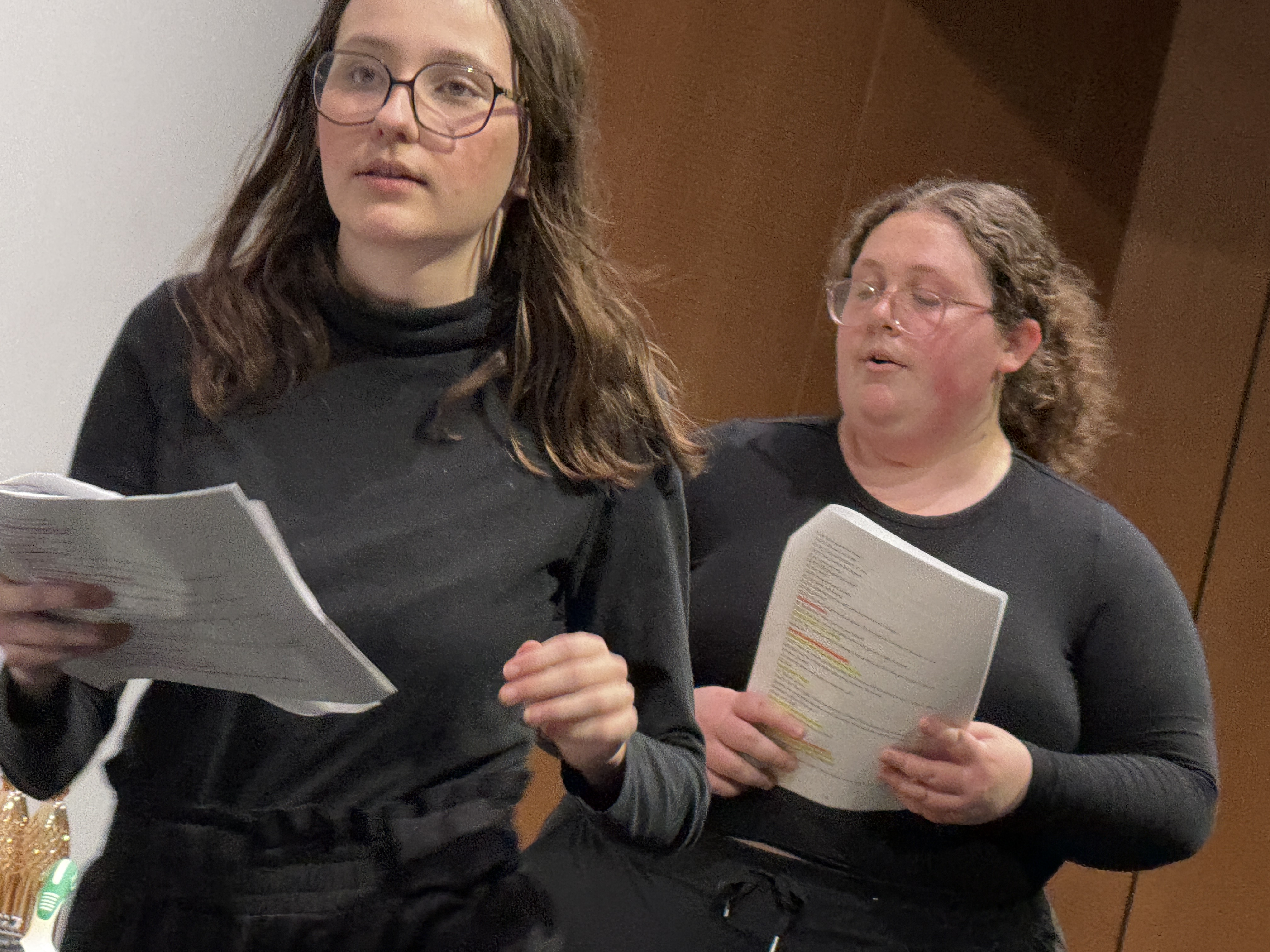
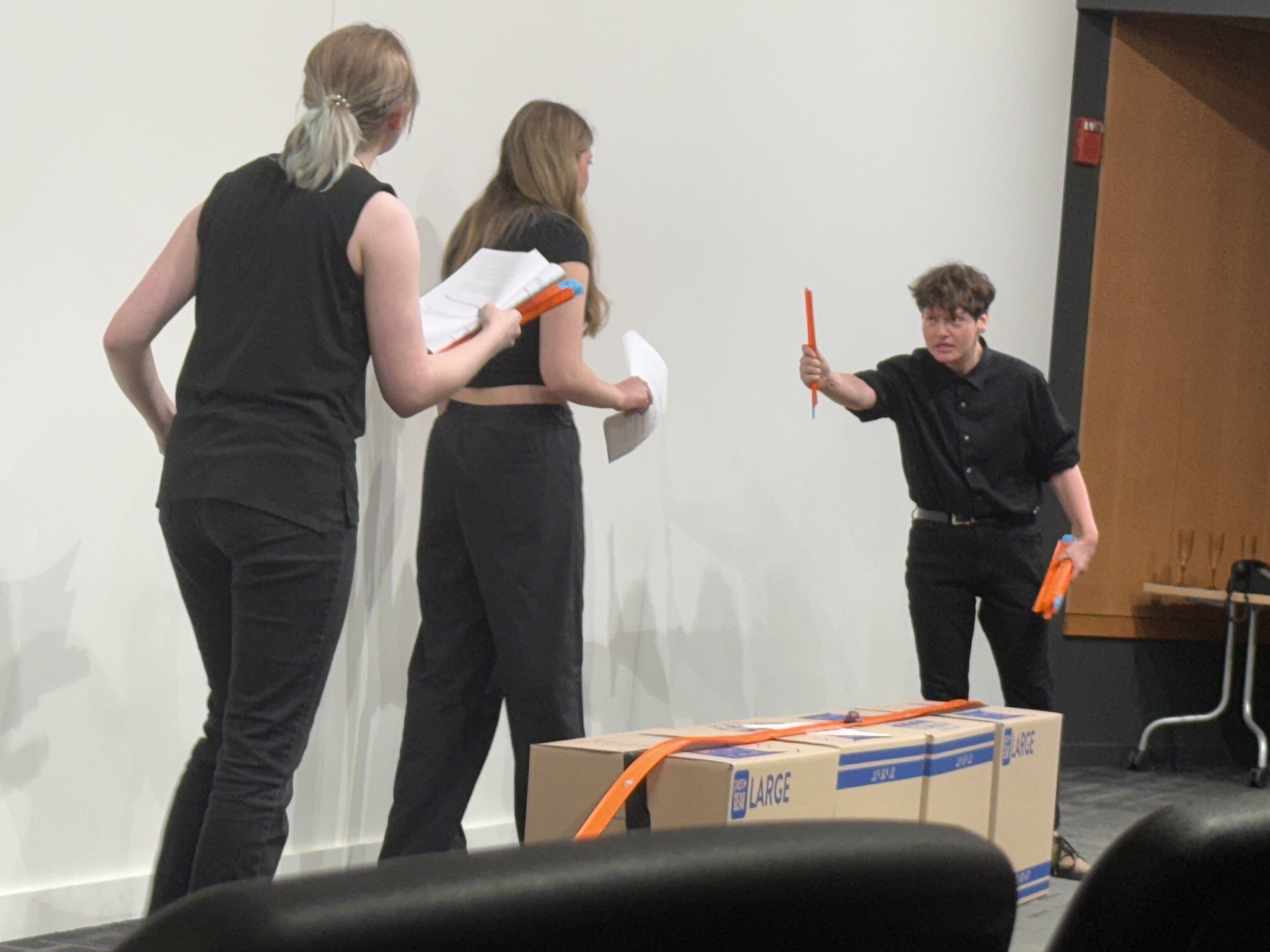
As such, I reestablished Second Stage Playwriting, providing Michigan State students a place and opportunity for feedback and process, culminating in staged readings of selected work yearly. This process from page to stage involved playwrights meeting weekly for group critique and to edit their scripts before directors and actors then built the shows over the course of a week.
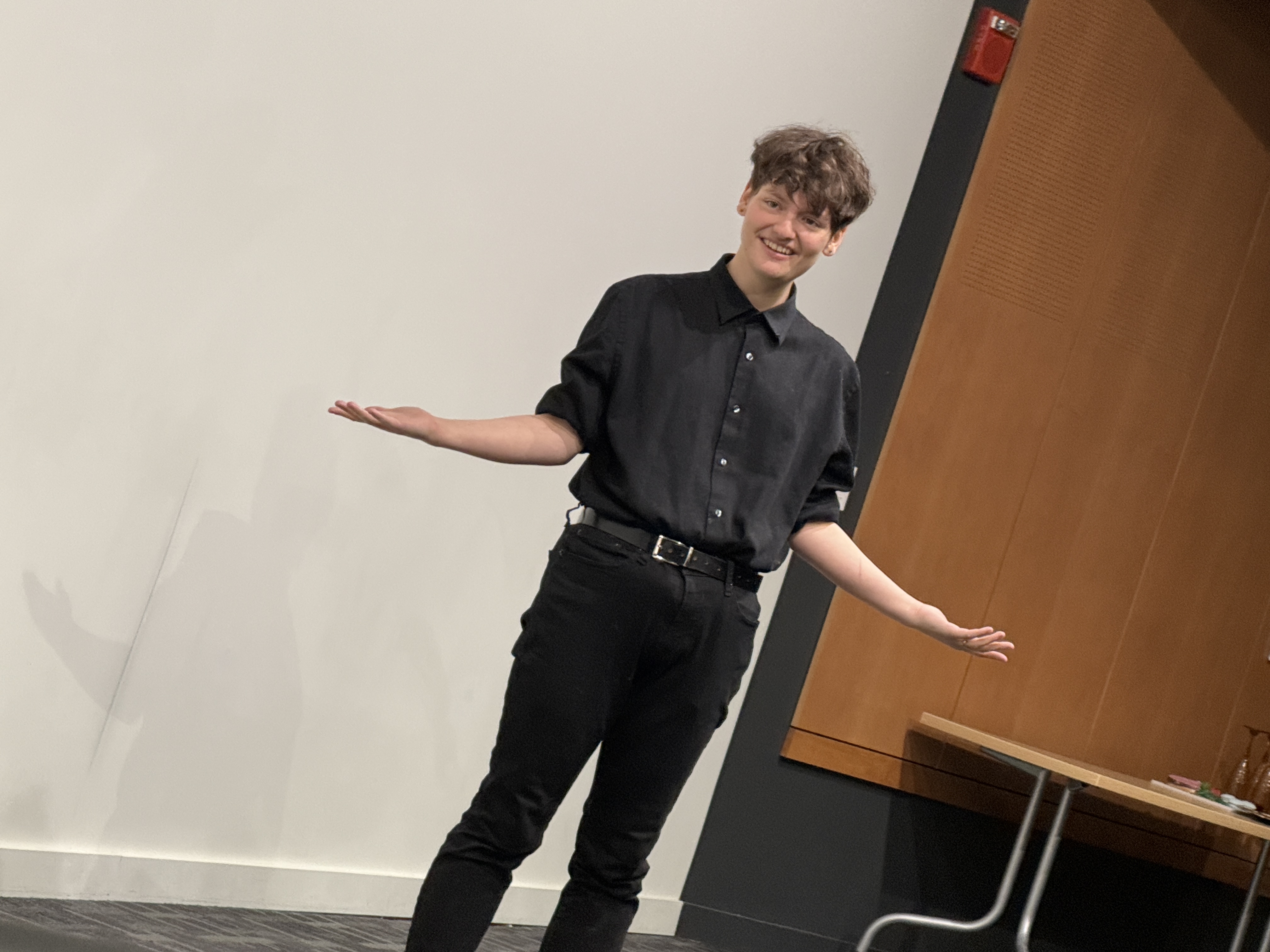
As the head of Second Stage Playwriting, I was primarily responsible for producing the annual expose as well as selecting and casting the individual plays that would take part in said expose. Yet, I also regularly found myself not just as the producer, but also oftentimes director, usher, digital marketer, host, and even light board operator.
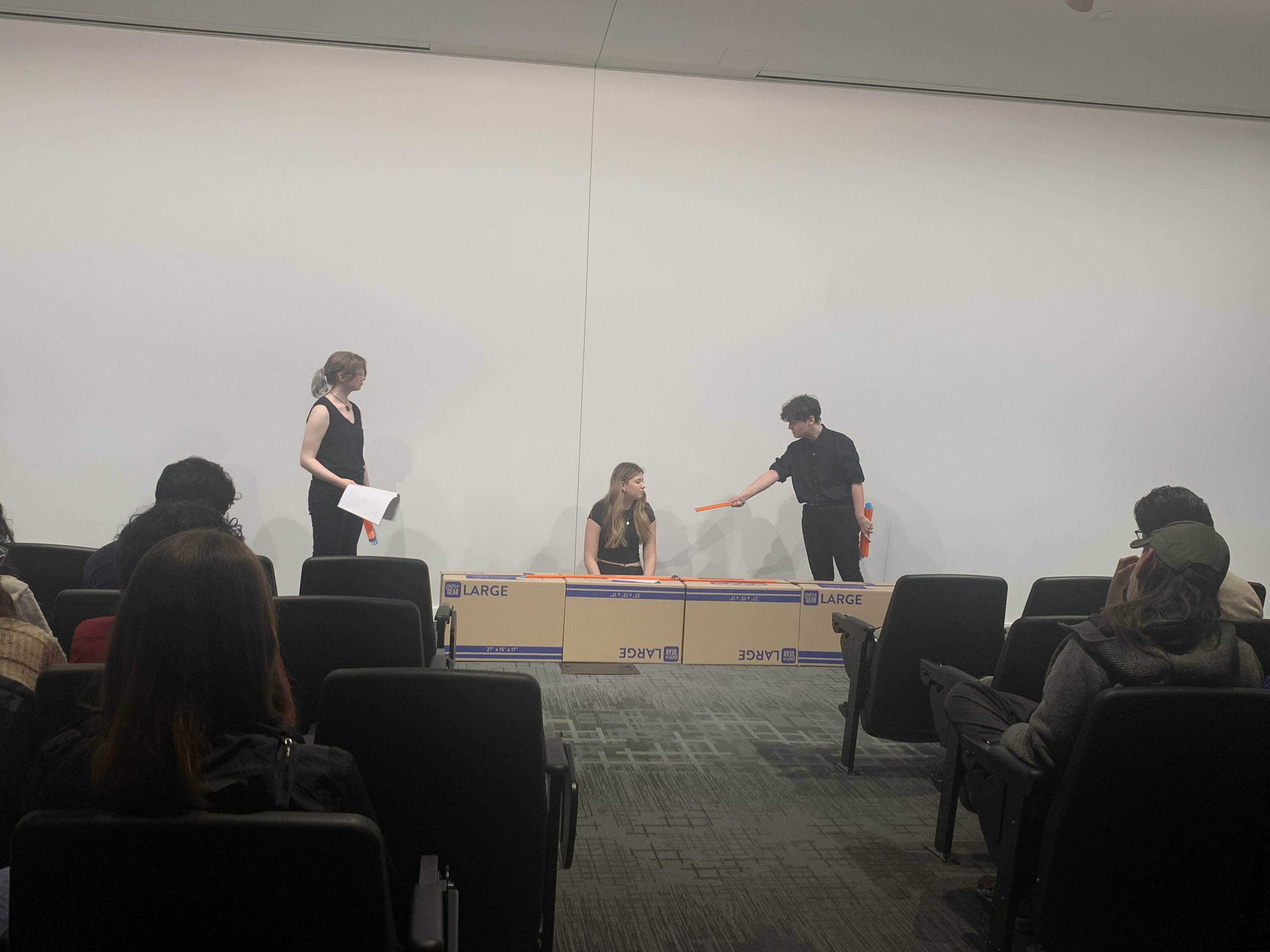
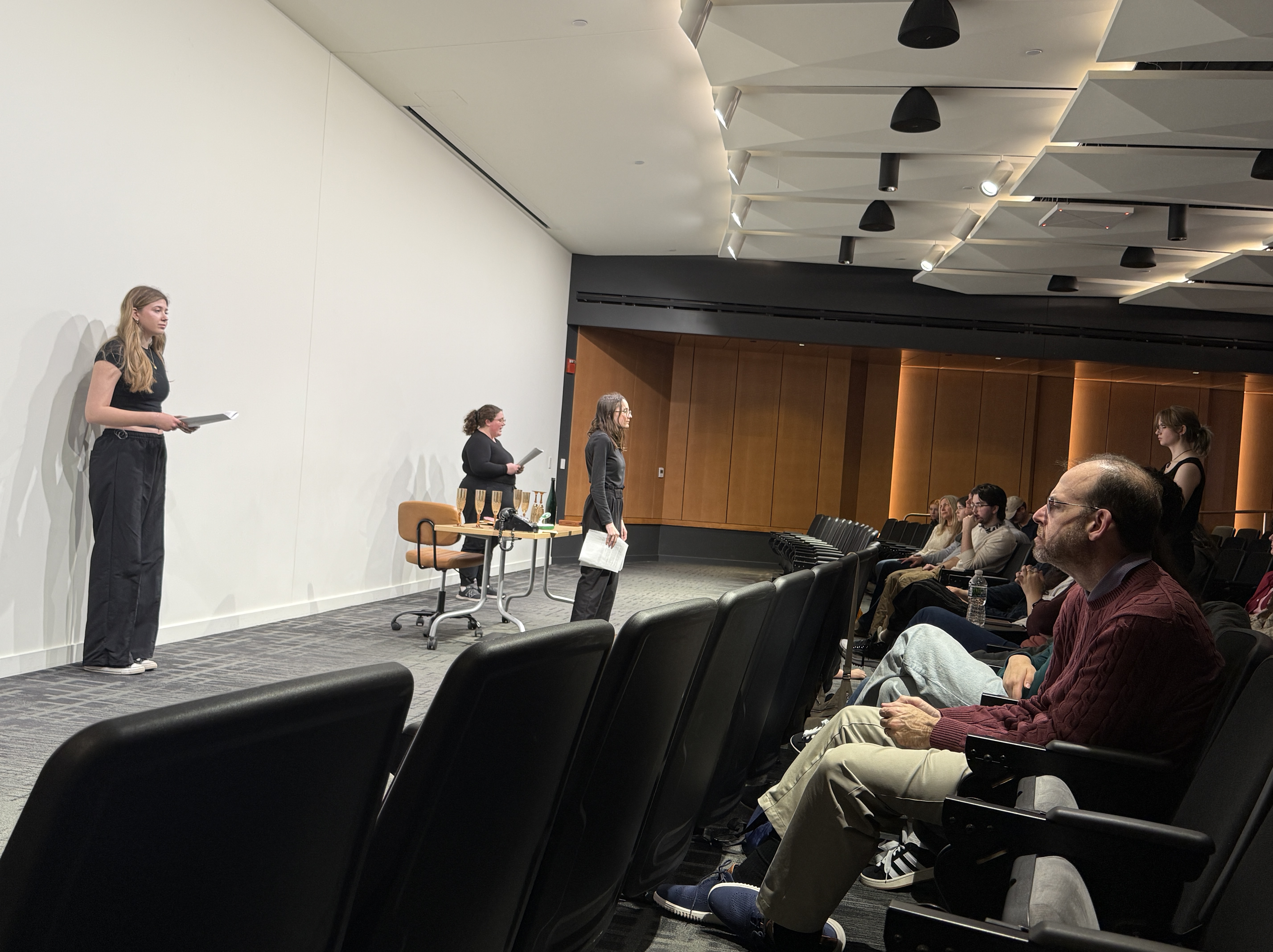
The main challenge I faced, however, was a lack of human, space, and monetary resources. Second Stage Playwriting, as is natural on a college campus, has to compete with every single other show happening at the same time, leaving few people and fewer spaces available. During the 2025 Expose, every major theatre and rehearsal room on campus was booked for the semester, forcing me to look elsewhere. This involved exploring lecture halls, emailing professors I had never met, and constantly assuring people we would find a space whilst trying not to panic myself. Eventually, this resulted in our second expose taking pace in the Facility for Rare Isotope Beams (FRIB) which happened to have an unused lecture hall.
The oftentimes lack of human resources led to the decision to do week long rehearsal periods. Scheduling our shows in the gap between when one show ends and another begins maximized the potential actor and director pool available, which, when in combination with casting actors in multiple shows, allowed us the manpower to bring student playwrights work to life.
The Pomegranate
By Brooke Cousins
Director: Ava Ballagh
Lorelai: Shelby Ginsburg
Ebba: Samantha Lee Stanton
A Way Out
By Declan William Maher
Director: Anthony Monteleone
Charlie: Karam Mawazini
Wystan: David Meagher
Leona: Alex Spevetz
Ego
By Jack Williams
Director: Ava Ballagh
Alex: Samantha Lee Stanton
Sam Edwards: Juliana Barnerd
Ian Davis: Nathaniel Myers
Dr. Ginus: David Meagher
Charlie: Shelby Ginsburg
Guy With Bat: Declan William Maher
Crashing
By Sophia Catella
Director: Ava Ballagh
Anna: Shelby Ginsburg
Hailey: Samantha Lee Stanton
Jack: Kyle Jerudsik
Jamie: Alex Spevetz
Laura: Juliana Barnerd
Ghostwriter
By Nathaniel Myers
Director: Anthony Monteleone
The Usherette/Dhaila Deveir: Alex Spevetz
Stephen Conley: Kyle Jerusik
Leslie Wyandott: Declan William Maher
Paula Argus: Samantha Lee Stanton
Daryl Banister: Nathaniel Myers
Barbara Olivestien: Juliana Barnerd
Evanescent
By Emmy Abel
Director: Ava Ballagh
Parker/Kid Parker: Elle Van Wagnen
Evanescent/Kai: Jhanvi Gugneja
Mom: Allison Mastee
Dad: Tobias Sanders
Celeste: Veronica Thomas
Captain: Ella Galens
Friday Morning
With The Franklins
By Brooke Cousins
Director: Anthony Monteleone
Jay: Tobias Sanders
Larkin: Reese Verlinde
Host: Caitlyn Myers
PA: Veronica Thomas
Howard: Ella Galens
Apathy
By Anthony Monteleone
Director: Ben Eiler
Id: Tobias Sanders
Ego: Ella Galens
Superego: Veronica Thomas
Nuclear
By Emelia Duffield
Director: Anthony Monteleone
Jo: Caitlyn Myers
Micheal: Tobias Sanders
Margaret/Modern Reporter: Reese Verlinde
Cady: Alison Mastee
David/1950’s Reporter: Ella Galens
Sebastian: Jhanvi Gugneja
Ezra/Voice: Veronica Thomas
Further Reading
Notes
Pictures By Second Stage Playwriting
Special Thanks to Julie Clampitt
 Anthony Monteleone